


Imagine a world beyond our own, where anything is possible. Thanks to virtual reality gaming, that world is now a reality! Combining cutting-edge graphics and traditional video games, players can immerse themselves in a whole new world. From Oculus Rift to HTC Vive, the possibilities are endless. Get ready to be transported to a whole new dimension of gaming! With the potential to revolutionize social media and expand into new markets, virtual reality is the future of gaming. So what are you waiting for? Strap on your headset and get ready to explore a world beyond your wildest dreams!
What is Virtual Reality?
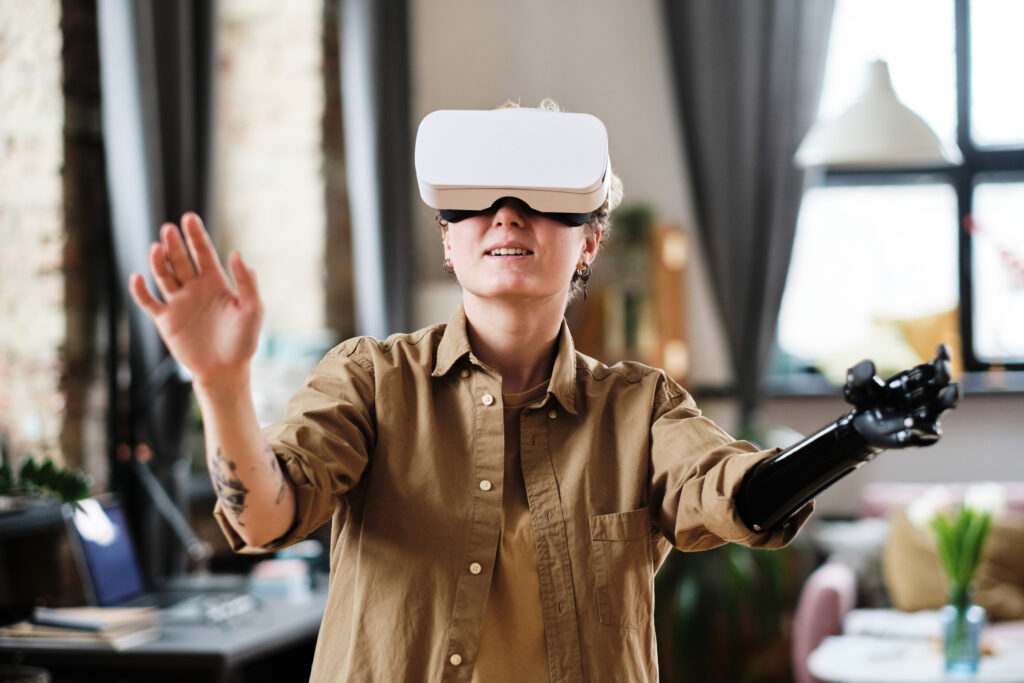
Virtual Reality (VR) is an interactive, computer-generated experience that places users in a simulated environment. Through the use of specialized devices such as headsets and controllers, users can explore and interact with 3D worlds just like they would in real life. By delivering realistic visuals and audio through a headset, users are able to feel as if they are actually within the virtual environment.
In addition to providing an immersive experience for gaming purposes, VR technology can also be used for educational, medical, and therapeutic applications. With its wide range of applications, it’s no surprise that VR has become a major player in the video game industry. As virtual reality continues to evolve with new technology advancements, its potential for creating engaging experiences is almost limitless.
Benefits of Virtual Reality Gaming
Virtual reality gaming has revolutionized the gaming industry, offering an unparalleled experience that is as close to reality as possible. VR gaming immerses players in a realistic 3D environment, providing them with a level of engagement and immersion not previously achievable with traditional gaming systems. Through the use of specialized headsets and controllers, users can interact with virtual objects, explore virtual worlds and engage in team multiplayer battles.
Not only does this provide an engaging and exciting experience for gamers, but it also opens up new possibilities for game developers. With their ability to create detailed 3D environments and realistic physics, game developers are able to craft experiences that are more intense and lifelike than ever before. Additionally, VR technology is being used outside of the gaming industry in areas such as theme parks, medical training, and even military applications. The potential for VR technology is truly limitless, making it highly sought after by many organizations around the world—especially in South Korea where it has become an integral part of their tech industry.
History of Virtual Reality
Virtual Reality (VR) has been around since the late 1950s, but it wasn’t until the 1990s that it began to gain widespread popularity. At first, VR was mainly used in military and aerospace training simulations. In the mid-1990s, however, its potential as a gaming platform became more widely recognized. Companies such as Nintendo and Sega released virtual reality gaming systems that enabled players to explore immersive 3D worlds without ever leaving their homes. This new technology revolutionized the video game industry, allowing players to experience a level of realism and interactivity not previously available with traditional gaming systems.
Today, virtual reality technology continues to evolve at an astonishing rate. The Oculus Rift and HTC Vive headsets provide users with an incredibly realistic and immersive gaming experience. With mobile games such as Pokémon Go utilizing augmented reality technology, developers are now able to push the boundaries of what is possible with virtual reality even further. As this technology advances, it is likely that we will see more companies investing in VR and expanding its applications far beyond just gaming.
Early Development and Use of Virtual Reality
The earliest development of virtual reality can be traced back to the 1950s when Morton Heilig first conceived his ‘Sensorama’ machine, which aimed to simulate a 3D environment for users. Since then, virtual reality has been used in a variety of different industries such as military training simulations, medical diagnosis, and surgical techniques.
In the 1990s, virtual reality began to gain widespread popularity among gamers with companies such as Nintendo and Sega releasing VR gaming systems. This allowed players to explore immersive 3D worlds without ever leaving their homes, revolutionizing the video game industry.
Today, virtual reality technology is advancing at an astonishing rate with new headsets such as the Oculus Rift and HTC Vive providing even more realistic experiences for gamers. We are now beginning to see augmented reality (AR) technology being used in mobile games such as Pokémon Go, while companies continue to invest in developing more applications for this expanding field. As our understanding of this technology deepens, it is likely that we will soon see more people engaging with it in places like theme parks or even shopping malls.
The Emergence of Modern VR Technology
The emergence of modern virtual reality (VR) technology has been nothing short of revolutionary. About a decade ago, the gaming industry was completely transformed when companies such as Sony, Oculus, and HTC released their first headsets. Now, users are able to explore immersive 3D worlds without ever leaving their homes.
In recent years, VR technology has also become more accessible due to the development of cheaper and more compact devices such as Google Cardboard. This has allowed users to experience virtual reality with little cost and minimal setup time. Companies have also begun to invest in creating more applications for this expanding field.
South Korea is one country that has been particularly proactive in adapting this technology; they even launched the world’s first virtual theme park in 2017 which featured rides and attractions inspired by popular films and TV shows. In addition, the gaming market is increasingly shifting towards a more immersive experience; traditional games are being replaced by virtual environments where players can interact with objects in real time.
Overall, it is clear that VR technology will continue to grow in popularity due to its wide range of applications and its ability to provide users with an unprecedentedly realistic gaming experience.
Advantages of VR in the Gaming Industry
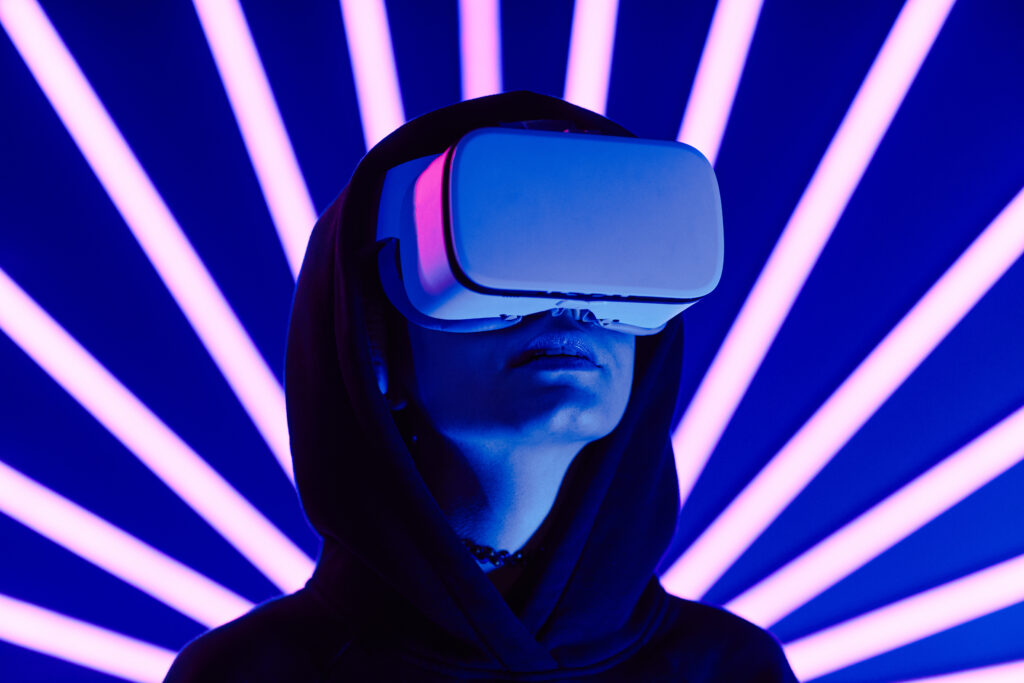
The rise of virtual reality (VR) in the gaming industry has been a remarkable development in recent years, with companies such as Sony, Oculus, and HTC leading the charge. VR technology has enabled gamers to explore immersive 3D worlds right at home with minimal setup time and cost. This advancement has also allowed developers to create more applications for this rapidly expanding field.
South Korea is one country that has quickly adopted this technology, launching the world’s first virtual theme park in 2017 featuring rides inspired by popular films and TV shows. In addition, traditional games are being replaced by more immersive environments where players can interact with objects in real time.
It is evident that VR technology will continue to play an important role in the gaming industry due to its ability to provide users with a realistic gaming experience. Game developers must now focus on creating innovative applications that utilize VR technology to create truly unique and engaging experiences for gamers everywhere.
Impact on the Video Game Industry
The impact of virtual reality (VR) technology on the video game industry has been immense. VR gaming systems like the Oculus Rift and HTC Vive have revolutionized the way gamers interact with games, allowing them to explore immersive 3D worlds right at home. This advancement has also opened up many new possibilities for developers, allowing them to create more interactive and engaging game environments.
Moreover, this technology has made it easier for users to access a wide range of virtual reality games from anywhere in the world. This shift from traditional gaming systems to more immersive experiences has also created a surge in demand for mobile games and other applications that utilize VR technology.
Overall, VR technology is transforming the gaming market by introducing a host of new features and opportunities for gamers. Companies such as Sony, Oculus, and HTC are leading the charge in creating innovative applications that make use of this technology, pushing the boundaries of what’s possible with video game development. It’s clear that virtual reality will continue to play an important role in shaping the future of video gaming.
Impact on Traditional Games and Mobile Games
The introduction of virtual reality technology has had a significant impact on both traditional and mobile games. On the one hand, it has enabled game developers to create immersive environments which allow gamers to interact with virtual objects in a way that is much closer to real life. This has resulted in an increase in the popularity of virtual reality games, such as those found in popular VR headsets like the Oculus Rift and HTC Vive.
On the other hand, it has also allowed for more interactive experiences on mobile devices. For instance, South Korea recently opened its first theme park dedicated entirely to virtual reality gaming. Allowing users to explore virtual worlds right from their phones or tablets, this development demonstrates how far technology has come in giving gamers access to remote experiences.
In conclusion, thanks to advances in virtual reality technology, traditional and mobile games have been revolutionized forever. From fully immersive gaming environments at home to interactive applications on our phones and tablets, VR is continuing to push the boundaries of what’s possible when it comes to video gaming.
Expansion into New Markets, Such as South Korea and Theme Parks
The expansion of virtual reality gaming into new markets, such as South Korea and theme parks, is helping to drive the industry forward. With its recent opening of the first VR-dedicated theme park, South Korea has become a leader in this burgeoning market. Here, visitors can explore virtual worlds through a wide range of interactive experiences and games. In addition to traditional video games, these include rides and other activities designed to make use of the latest immersive technology.
Moreover, the success of this venture is likely to be replicated in other countries around the world as theme parks continue to embrace virtual reality gaming. As well as providing a more immersive experience than traditional gaming systems, these attractions have great potential for generating additional revenue streams for their operators. By leveraging the power of virtual reality technology and offering visitors an entirely new way to enjoy themselves, theme parks can provide an exciting alternative to traditional entertainment options.
All in all, with its entrance into new markets such as South Korea and theme parks, the gaming industry is continuing to expand rapidly thanks to advances in virtual reality technology. This presents an opportunity for both developers and gamers alike as it opens up an entire world of possibilities within the gaming market.
Changes in Game Environment, Developers, and Market
The gaming industry is undergoing significant changes as virtual reality technology continues to revolutionize the way we play. The introduction of virtual reality headsets, such as Oculus Rift and HTC Vive, has enabled developers to create immersive game environments that simulate real-life scenarios. This has opened up a world of possibilities within the gaming market, allowing gamers to experience an entirely new level of engagement with their favorite titles.
At the same time, game developers are also making use of this technology to create more complex and lifelike characters and objects. By crafting realistic virtual objects that react in a way similar to those found in the real world, developers can provide gamers with an unparalleled level of immersion and escapism from their everyday lives.
Finally, changes in the gaming market have also seen mobile games becoming increasingly popular among casual gamers. These titles offer users a convenient and cost-effective way to enjoy their favorite franchises anytime, anywhere. As a result, the video game industry is now catering for both hardcore and casual gamers alike; ensuring that everyone can find something suitable for them regardless of their preferences or budget.

Types of Virtual Reality Technology Used Today
The rise of virtual reality has drastically changed the way we experience gaming. From headsets to motion tracking, a wide range of technologies are now available to provide users with an immersive and realistic gaming experience.
Oculus Rift and HTC Vive are two of the most popular VR headsets on the market. These headsets allow players to explore completely new worlds, giving them a sense of presence that traditional games simply can’t provide. With a combination of sound, vision, and touch, these devices make it feel as if you’re actually in the game itself.
Augmented reality (AR) and virtual reality (VR) have become increasingly intertwined; however, they offer different experiences. AR allows players to interact with real-life objects while VR creates an entirely simulated environment that is independent of the physical world.
Motion tracking is another form of technology used in virtual reality gaming today. This technology allows players to move around their environment as if they are actually there, further blurring the lines between real life and video games.
Finally, social media has been instrumental in helping developers engage with gamers in ways that traditional games couldn’t have achieved before. By utilizing platforms such as Twitch and YouTube, developers can reach out to fans all over the world; creating an entirely new level of interaction between players and developers alike.
Conclusion
The virtual reality gaming industry is rapidly growing and shows no signs of slowing down. From headsets to motion tracking, there are a variety of technologies available that allow players to engage with games in an immersive and realistic way. Additionally, social media has allowed developers to create a unique connection between players and game creators. As the technology continues to evolve, it will be interesting to see where virtual reality gaming takes us next.


More Stories
Advantages Of Gaming Consoles For An Improved Gaming Environment
The Top 5 Gaming Consoles of All Time
5 Reasons Why You Should Invest in a Gaming Console