


There are several things to consider while choosing a work mobile phone. Keeping connected and productive in the fast-paced corporate world of today requires a mobile device that is dependable and effective. With so many options on the market, it’s important to consider the particular needs and requirements of your job routine. To guarantee a smooth and effective work experience, factors including battery life, operating system, security features, compatibility with professional apps, and general durability should be carefully taken into account. People can locate the ideal work mobile phone that fits their needs professionally and increases productivity by carefully weighing these variables and making an informed decision.
Life of a Battery
For every contemporary technology that uses batteries for electricity, battery life is an essential component. The battery life of any device—a laptop, smartphone, or even an electric car—determines how long we can use it before needing to recharge it. This brief essay will examine the variables that impact battery life, look into strategies to increase it and go over the developments and difficulties in battery technology. The usability and convenience of portable devices are directly impacted by battery life, thus both producers and customers must understand its nuances. Let’s now take a closer look at this subject.
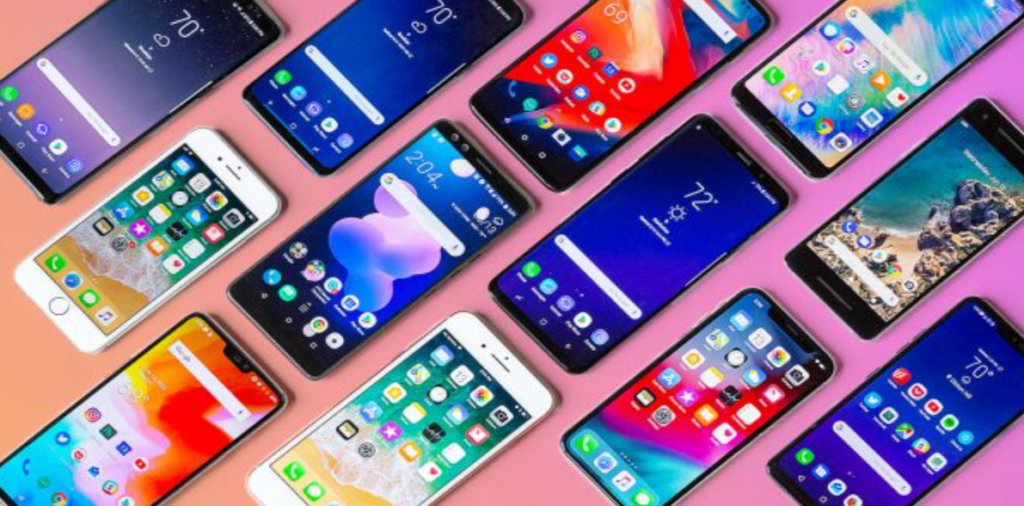
Long-lasting Batteries are Essential for Productivity
Being productive requires having a long-lasting battery because low battery life can negatively affect phone usage. Insufficient battery capacity causes frequent disruptions when charging, which reduces productivity and wastes valuable time.
A minimum 3000mAh battery capacity is advised to guarantee optimal phone usage. This guarantees that the phone won’t run out of juice too soon when doing intensive tasks. It is important to remember that phone batteries have different starting capacities; they usually range from 2900mAh to 3500mAh. This initial capacity makes it possible for the phone to operate well right out of the box.
Another important consideration is the phone batteries’ maximum capacity. Phone batteries may experience degradation or lose their capacity to hold a charge over time, lowering their maximum capacity. This decrease in capacity may make poor battery life problems worse and reduce output.
Consequently, productivity depends on having a battery that lasts a long time and has enough capacity. It guarantees continuous phone use, enabling people to do work quickly without having to stop to grab a charger. Productivity rises when a battery is robust and efficient, and limited battery life causes less annoyance.
Taking Battery Capacity and Quick Charging Times Into Account
A mobile phone’s battery capacity is the total quantity of charge it can produce and store. It is essential to the device’s general functionality and performance, particularly in light of its fast charging capabilities.
The potential to have a longer usage period and a shorter charging time makes battery capacity important when combined with rapid charging. A bigger battery ensures that the phone won’t require frequent charging and can run for longer periods. This is especially helpful for users who use their phones a lot for different kinds of jobs during the day. On the other side, fast charging features allow the gadget to be charged quickly, saving consumers time and making it more convenient.
Numerous cell phones with extended battery life and quick charging capabilities are on the market. For example, the iPhone 12 Pro Max has a large 3,687 mAh battery and can be fast-charged to 50% capacity in just 30 minutes. Comparably, the Samsung Galaxy S21 Ultra has a 5,000 mAh battery that can be fast-charged to 50% capacity in just 30 minutes.
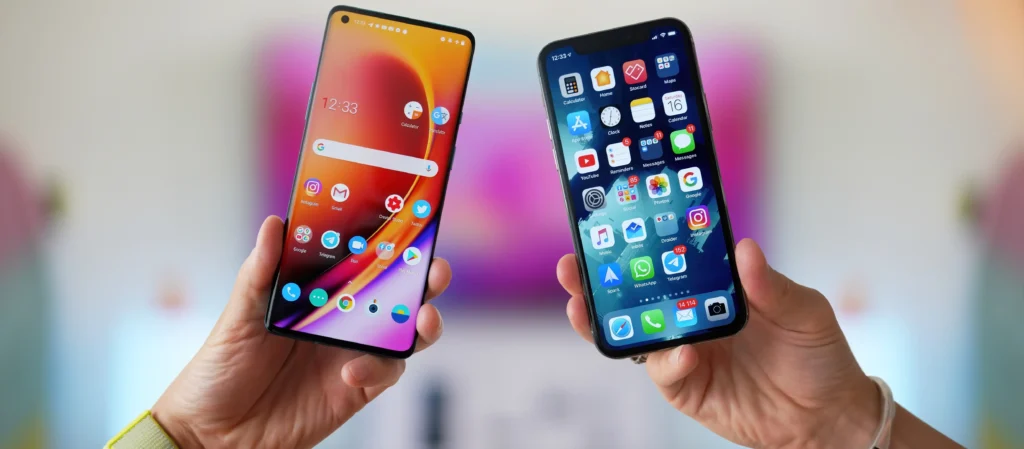
Apple vs. Android Mobile Devices
Smartphones and tablets have become a necessary part of our lives in the tech-driven world of today. The mobile device market is dominated by two big players: Apple and Android. Because each platform has advantages and disadvantages, people are constantly debating them. While Apple’s iOS offers a more streamlined, safe, and user-friendly experience, Google’s Android offers a wide range of options in terms of manufacturers and costs. To make an informed choice when buying a new device, consumers must be aware of the main distinctions between these two operating systems. To clarify the current discussion about Android vs. Apple devices, we will examine several topics in the sections that follow, including software, hardware, pricing, customization, and ecosystem.
Evaluating the Compatibility of Different Operating Systems with Work Software
There are a few important things to take into account when evaluating operating systems in terms of their compatibility with work software. The smooth connection with productivity suites like Google Workspace and Microsoft 365 is one of the most crucial features. These productivity suites, which offer vital tools for communication, collaboration, and document creation, are vital for many firms. For optimal productivity and efficiency, the operating system must support these suites and enable seamless integration.
Compatibility with collaborative systems, like Zoom or Slack, is another crucial factor to take into account. These systems, which enable remote teamwork and communication, are becoming more and more common in today’s workplace. Users should be able to easily join meetings, exchange screens, and work together with coworkers if the operating system is compatible with these platforms.
Additionally, document accessibility, editing, and sharing across different devices are critical for maximizing productivity at work. A compatible operating system should allow documents to be seamlessly synced across many devices, guaranteeing that users may access their work files on any device, anywhere. This is a very important feature for remote workers who use laptops or mobile devices while on the go.
App Availability and Security Features are Assessed
It is essential to assess the security features and app availability when evaluating mobile apps. This stage is crucial to confirm that the app under test satisfies the necessary security requirements and is accessible to all of its intended users.
Assessing security features aids in locating any possible app weaknesses. This entails evaluating the app’s capacity to safeguard user information, stop illegal access, and identify and address security failures. Developers may make sure that the software is safe and that user data is secure by carefully assessing these characteristics.
When testing mobile apps, the availability of the app is another important factor to take into account. To guarantee that the app works correctly and is available to all users, it is crucial to test it across a variety of hardware, operating systems, and network configurations. This ensures a consistent user experience across all devices and helps to prevent any compatibility concerns.
The mobile gadgets themselves present several threats and weaknesses. For instance, mobile devices connected to open WiFi networks might be simple pickings for hackers attempting to capture private data. Furthermore, mobile devices are easily stolen, which may result in unauthorized access to private information.
Several security measures can be put in place to lessen these dangers. This entails setting up device encryption, creating secure passwords, and updating the operating system and applications on mobile devices regularly. It is also possible to activate remote wiping features to remove all data from a misplaced or stolen device. Choosing safe phone models with strong security measures and frequent software upgrades is also crucial.
Capacity for Processing
When it comes to computing systems’ performance and efficiency, processing power is a crucial component. It describes a device’s capacity to carry out commands and calculations quickly, such as a computer or smartphone. Powerful processors, sometimes referred to as central processing units (CPUs), are used to do this. CPUs are in charge of performing a variety of functions. A device’s ability to multitask, perform sophisticated applications, and quickly process vast volumes of data is determined by its processing power. Processing power is essential in today’s fast-paced technology environment for providing flawless user experiences, whether one is using it for resource-intensive software, gaming, or video editing. Furthermore, increases in processing power not only result in better performance but also pave the way for future innovation and the creation of increasingly complex technologies. We shall examine the significance and effects of processing power in several computing-related areas in this article.
Deciding On A Gadget with Enough Processing Power To Multitask
One of the most crucial things to take into account when choosing a multitasking device is the processing power it provides. A device’s ability to manage several tasks at once is determined by its processing capability, which makes multitasking seamless and effective.
Using many programs or processes at once is known as multitasking. Insufficient processing power can make a device unable to cope with the demands of multitasking. This may result in sluggish and slow performance, which would impact not just the device’s responsiveness but also the user’s experience.
The device’s multitasking capabilities directly affect an app’s performance. Apps that are used in tandem with other programs may freeze, crash, or load slowly due to insufficient processing power. Users who rely on multitasking to increase their productivity may find this annoying.
When selecting a device, it is crucial to take into account elements like processor speed, RAM, and available storage to enable effective multitasking. The speed at which a device can complete activities is determined by its processing speed; multitasking and seamless app switching are made possible by RAM. A sufficient amount of storage space is also necessary because it influences how quickly apps can load and run.
Taking RAM and Storage Capacity Into Account for Effectiveness and Speed
There are a few key factors to consider when it comes to RAM and storage space to optimize speed and efficiency. Primarily, having enough RAM is essential for business apps to function properly, email management, and file access. Inadequate RAM can cause system crashes, sluggish performance, and application latency. For this reason, it’s critical to confirm that your smartphone has sufficient RAM to do the tasks you need to complete quickly.
However, adequate storage capacity is just as important for efficiency and speed. A sufficient amount of storage space is necessary due to the growing volume of data being generated and saved. This is especially crucial for companies that handle massive amounts of data daily. Reduced productivity overall, sluggish data transmission rates, and a restricted capacity for new files can all result from inadequate storage.
Optimizing RAM and storage can help you make sure your device runs as efficiently as possible, reducing lag and increasing performance. You can run numerous applications at once without experiencing any performance problems if you have enough RAM. Having enough storage space enables you to swiftly and easily save and retrieve vast volumes of data, enabling productive work while on the road.
In Summary
To sum up, comprehensive testing of mobile apps before their release on the market is crucial for enhancing a brand’s image. Through comprehensive testing, developers may detect any possible flaws, glitches, or performance problems, guaranteeing that the application operates without interruption for consumers.


More Stories
How to Choose the Perfect Mobile Phone for Your Needs?
5G Technology: What It Means for Mobile Phones
The Best Budget Mobile Phones Under $500