


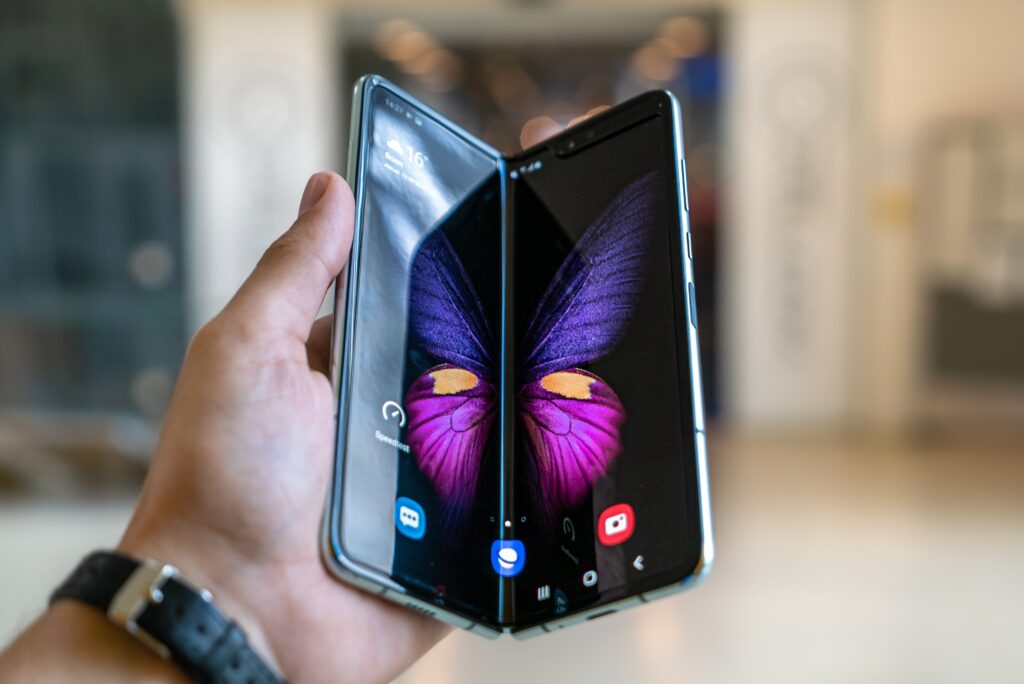
We are living in an age of amazing technological advances, and 5G technology is the latest development that promises to revolutionize the way we use our mobile phones. From faster download speeds to connected devices and virtual networks, 5G is set to change the way we interact with technology. But what exactly is 5G? How does it work? And what impact will it have on mobile phones? In this article, we’ll explore the answers to these questions and more as we dive into the world of 5G technology.
What is 5G?
5G technology is the fifth generation of cellular network technology and it promises to revolutionize the way we use our mobile phones. It works by using a combination of techniques such as millimeter wave, advanced antenna systems, and beamforming that allow for faster speeds and improved connection reliability. This means that you can download data at speeds up to ten times faster than previous networks, allowing for better streaming services, smoother video calls, and quicker access to websites. Additionally, 5G technology has increased the capacity of wireless networks so more people can use their devices simultaneously without experiencing any lag or buffering.
Finally, 5G will provide an opportunity for new applications such as self-driving cars, virtual reality, and artificial intelligence which will require even higher levels of speed, latency, and reliability than the current 4G networks can provide. Already some major cities have begun testing 5G and many mobile operators are planning on rolling out their own 5G networks in the near future.
5G technology is the new frontier of wireless networks, and its potential to revolutionize our world is only beginning to be realized. With its faster speeds, increased capacity, and new applications we can look forward to a future that is more connected than ever before. And with that in mind, let’s look at some of the amazing benefits 5G technology brings!
Benefits of 5G Technology
5G technology is ushering in a new era of wireless connectivity, offering unprecedented speeds, increased capacity, and new applications. Among the most significant benefits of 5G technology is its ability to provide faster download speeds. With 5G, users can expect to enjoy faster streaming services and quicker access to websites.
Furthermore, 5G has significantly improved the reliability of connections, meaning that more people can use their devices simultaneously without experiencing any lag or buffering. Additionally, with its increased network capacity, 5G technology makes it possible for us to connect more devices than ever before. This opens up a whole new realm of possibilities such as self-driving cars, virtual reality, and artificial intelligence—all requiring extreme levels of speed and latency.
Finally, with its advanced technologies such as millimeter wave and beamforming, 5G provides an opportunity for better optimization which will lead to more efficient use of radio frequencies and improved coverage over large areas. As we continue to explore the potential of 5G technology we can look forward to even greater advances in our connected world.
How 5G Works
5G technology is revolutionizing the way we connect to each other and the world. It has been designed to provide faster speeds, improved coverage, and increased capacity for connected devices. 5G works by using radio waves transmitted over a range of spectrum bands, including low-band, mid-band, and millimeter wave frequencies. Low-band frequencies provide better coverage in rural areas while mid-band frequencies offer higher speeds with greater capacity in urban areas. Millimeter wave frequencies offer even faster speeds but are limited in range and require more physical infrastructure than the other bands.
In addition to these frequency bands, 5G utilizes advanced technologies such as beamforming which allows signals to be focused on specific devices rather than broadcasting in all directions like previous networks. With these combined elements working together, 5G provides us with faster speeds, increased capacity, and reliable connections no matter where we are located.
The possibilities and potential of 5G technology are endless. We can now connect to the world faster, smarter, and more reliably than ever before. With its advanced technologies, 5G is revolutionizing the way we stay connected. Get ready for even more exciting advances as we delve deeper into the world of Radio Frequency Spectrum!
Radio Frequency Spectrum
Radio Frequency Spectrum (RFS) is an important component of 5G technology. RFS refers to a range of frequencies used for wireless communication, where different frequencies are allocated for specific purposes. It is divided into two types: licensed spectrum and unlicensed spectrum. Licensed spectrum requires exclusive rights from the government to use, while unlicensed spectrum is open to the public. The different frequency bands in RFS offer various advantages and disadvantages; lower frequency bands offer better coverage but are limited in speed, while higher frequency bands offer faster speeds but shorter ranges and require more infrastructure.
5G networks make use of multiple frequency bands, ranging from low-band to millimeter waves, depending on the network requirements and user preferences. With its advanced technologies such as beamforming, 5G networks can provide reliable connections with increased capacity and faster download speeds regardless of location or environment.
Millimeter Wave Technology
Millimeter Wave (mmWave) technology is a core component of 5G networks. It allows for faster data transfer speeds than ever before, providing an overall better user experience. mmWave technology uses the higher frequencies in the radio frequency spectrum, ranging from 28GHz to 300GHz, to provide more bandwidth and capacity. This allows for higher download speeds, lower latency, and improved network coverage compared to previous networks. Furthermore, mmWave technology also supports multiple-input multiple-output (MIMO) which further enhances its capabilities by allowing for simultaneous transmission of multiple antennas at once. This allows for better connection quality even in congested areas such as major cities or stadiums. With its increased speed and performance, mmWave technology is set to revolutionize mobile communications and enable a variety of new applications such as self-driving cars and connected devices powered by artificial intelligence.
Small Cell Sites and Network Capacity
Small cell sites are an integral part of 5G networks, providing coverage in areas with limited network capacity. They support high-speed access to data and services on the network, allowing users to connect in even the most remote locations. Small cell sites are typically installed near street corners, rooftops, or other places where there is a need for increased coverage and capacity.
By leveraging the higher frequencies in the radio spectrum, small cell sites can provide faster speeds than traditional cellular networks. Furthermore, they also increase network capacity by providing additional access points that can be used by multiple users at once. As 5G technology continues to evolve, small cell sites will play a crucial role in ensuring that users have seamless connectivity no matter where they are located.
Mobile Operators and Advanced Technologies
Mobile operators are working hard to prepare for the upcoming 5G rollout. With more advanced technologies such as virtual networks and millimeter wave radio frequencies, mobile operators must upgrade their networks to meet the increasing demand for faster speeds and greater connectivity. To do this, mobile operators are investing in developing new infrastructure and deploying small cell sites throughout major cities. This will allow them to take advantage of higher frequencies in the radio spectrum, providing users with download speeds that are up to 20 times faster than previous networks.
Additionally, mobile operators are also harnessing the power of artificial intelligence, allowing them to better manage their network traffic and provide users with a reliable connection no matter where they are located. By taking advantage of these advanced technologies, mobile operators can ensure that users have access to a high-quality 5G experience.
Impact on Mobile Phones
5G technology is set to revolutionize the mobile phone industry by providing users with faster speeds, better connectivity, and improved user experiences. This new technology will allow mobile phones to download content in seconds, as well as stream high-definition videos without any buffering. Additionally, 5G technology also has the potential to increase network capacity, allowing more devices to be connected simultaneously without causing lags or drops in service.
Furthermore, 5G technology can also enable a new range of services such as self-driving cars and augmented reality applications on mobile phones. By taking advantage of this new wireless technology, users will be able to enjoy an enhanced level of convenience and efficiency when using their mobile devices.
5G technology promises to revolutionize the mobile phone industry and usher in a new era of convenience, efficiency, and speed. Get ready for faster downloads that are several times faster than previous networks, as well as a whole host of exciting new applications enabled by 5G!
Faster Download Speeds, Times Faster Than Previous Networks
The emergence of 5G technology has been a huge boon for mobile phone users all over the world. With 5G, download speeds are several times faster than those from previous networks and users can enjoy an enhanced level of convenience, efficiency, and speed when using their devices. This new technology is capable of providing download speeds up to 10 times faster than 4G LTE, which means that downloading content will be almost instantaneous. Additionally, 5G also has the potential to expand network capacity to accommodate more connected devices at once without any lags or drops in service.
As a result, this wireless technology can help facilitate exciting new applications such as self-driving cars and augmented reality on mobile phones. The possibilities are endless with this new technology, making it one of the most exciting developments in the mobile phone industry today!
Connected Devices and Virtual Networks
The introduction of 5G technology has revolutionized the way we use mobile devices, allowing us to stay connected to each other and the world around us. With its ability to support virtual networks, 5G allows us to connect a variety of different connected devices such as tablets, laptops, wearables, and even IoT-enabled home appliances. This means more people can access the same network without having their own physical connection. Additionally, 5G is also capable of providing faster speeds than ever before thanks to its increased bandwidth and faster transmission times.
As a result of this advanced technology, users can enjoy better-quality video streaming and gaming experiences on their mobile devices. Moreover, 5G is making it easier for businesses to create virtual networks that allow them to access cloud computing services from anywhere in the world. Ultimately, this technology is not only revolutionizing the way we use our mobile phones but also how we interact with the digital world around us.
Self-Driving Cars and Autonomous Vehicles Enabled by 5G
Self-driving cars are becoming increasingly popular due to their potential to reduce road fatalities, reduce traffic congestion, and increase efficiency. With the introduction of 5G technology, self-driving vehicles have become much more capable thanks to their increased speed and lower latency. This means that autonomous vehicles can now travel safely at higher speeds with improved accuracy and reliability.
In addition, the increased bandwidth provided by 5G helps enable better connectivity between the car and its surroundings, allowing it to respond immediately to changes in its environment. This improved connection also allows for faster data transfer which is essential in order for autonomous vehicles to make decisions quickly and accurately.
As such, 5G technology has made it possible for self-driving cars to become a reality in major cities around the world. Ultimately, this advanced technology is helping pave the way for a new era of transportation that is safer, faster, and more efficient than ever before.
Conclusion
In conclusion, 5G technology is revolutionizing the way we use mobile devices, connected devices, and autonomous vehicles. By allowing faster download speeds, increased bandwidth, and lower latency, 5G networks have enabled us to do more with our mobile phones than ever before. We can now watch high-definition videos without buffering, download large files in a fraction of a second, and stay connected to friends and family no matter where they are. Additionally, self-driving cars are becoming increasingly common thanks to the improved connection that 5G provides between the car and its surroundings. As such, 5G is paving the way for a future of faster speeds, increased network capacity, and advanced technologies that will continue to shape our world for years to come.


More Stories
Things To Take Into Account While Selecting A Work Mobile Phone
How to Choose the Perfect Mobile Phone for Your Needs?
The Best Budget Mobile Phones Under $500