


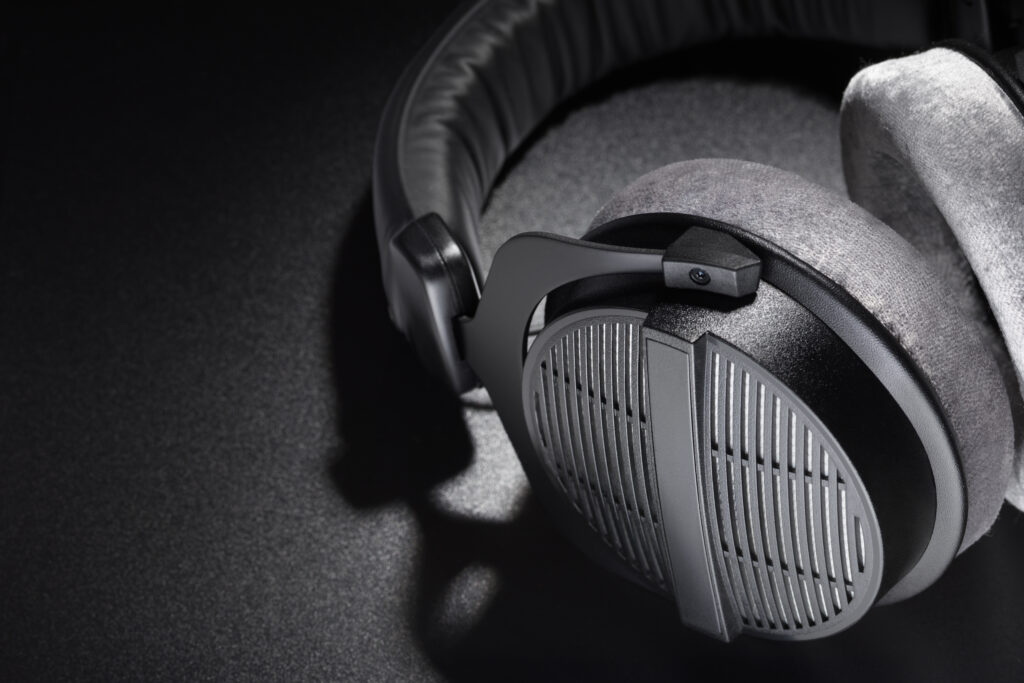
Attention all audio enthusiasts! Are you on the hunt for headphones that will blow your mind with the studio-level sound quality? Look no further than audiophile headphones! But with so many design options like open-back or closed-back, dynamic drivers, and active noise cancellation, it can be overwhelming. Fear not, we’re here with all the details on what makes the perfect pair of audiophile headphones. Get ready for a deep dive into the world of studio-quality sound and find the perfect fit for you!
What are Audiophile Headphones?
Audiophile headphones are engineered to offer an unparalleled audio experience with the highest possible sound quality, catering to individuals who seek the ultimate level of fidelity in their listening. They feature high-end components and construction materials with the goal of accurately recreating recorded music as close to the original studio version as possible. Audiophile headphones typically employ open-back or closed-back designs, multiple dynamic drivers, and detachable cables that can be used with a variety of audio sources.
In addition, audiophiles will often engage in listening sessions where they can compare different models side by side and make educated decisions about which pair of headphones best meets their needs. With improved accuracy, detailed sound reproduction, and extended frequency ranges, audiophile headphones offer an unparalleled level of audio quality that’s perfect for serious music lovers.
Why Do They Matter?
Audiophile headphones are an essential tool for music lovers who have a heightened appreciation and demand for the highest levels of quality sound. With improved accuracy and sound reproduction, they offer an unparalleled sonic experience that can bring recordings to life in a way regular phones simply cannot.
Furthermore, audiophile headphones often feature open-back or closed-back designs which provide different listening experiences based on user preference. Open-back designs allow ambient noise to be heard while closed-backs minimize it, making them ideal for those looking to block out external noise. Additionally, many audiophile headphones feature wireless technology or active noise cancellation, allowing users to further customize their listening experience based on their needs. With these features in mind, it’s easy to see why audiophile headphones are so important for those who take their music seriously.
Design Considerations
When it comes to audiophile headphones, design considerations play a major role in the overall listening experience. Dynamic drivers are typically found in audiophile headphones and offer users an improved frequency range and bass frequencies that can greatly enhance the audio quality. Additionally, sound leakage needs to be considered as open-back designs often allow more sound to escape which may be unsuitable for certain environments. Closed-back designs help minimize this issue while still providing excellent sound quality.
In addition, wired or wireless options are available depending on the user’s preference; however, wireless models need to be equipped with long battery life and durable construction. Lastly, detachable cables should be considered as they provide greater flexibility when traveling or storing the headphones away when not in use. With these factors taken into account, audiophiles can rest assured they will enjoy studio-quality listening sessions no matter where they go.
Open-Back vs. Closed-Back Design
Open-back headphones and closed-back headphones are two of the most popular designs for audiophiles. Open-back headphones allow sound to escape from the ear cups, which can help provide a natural and immersive sound experience. Open-back headphones design also allows for external noise to enter and be heard in the mix.
However, Closed-back headphones provide excellent isolation from external noises while still providing accurate sound reproduction. However, they do not provide as much of an open soundstage experience compared to open-back headphone designs. Additionally, both types of designs offer different levels of comfort and pressure distribution around the ears due to their unique construction. Ultimately, it is important for audiophiles to consider their own preferences when selecting between open-back headphones or closed-back designs as each can offer an improved listening experience in their own way.
Dynamic Drivers
Dynamic drivers are a popular choice for audiophiles looking to get the most out of their listening sessions. Dynamic drivers are made using a traditional speaker-like design, which helps to create detailed sound with deep bass frequencies and clear Mid – Range tones. Many high-end headphones feature dynamic drivers in order to provide studio-quality audio quality.
Additionally, dynamic drivers can help reduce sound leakage while providing excellent ambient sound cancellation capabilities with Mid – Range tone. Audiophiles can also benefit from the durability of these drivers as they are designed to withstand heavy use without compromising on sound quality. Ultimately, dynamic drivers provide an efficient way for audiophiles to experience detailed sound with excellent frequency Mid – Range and minimal distortion.
Wireless vs. Wired
When it comes to choosing the best headphones for your needs, one of the biggest decisions you’ll have to make is between wireless and wired. Wireless headphones can provide a sense of freedom and convenience, but they come with some drawbacks. While they offer great sound quality, they are more expensive than their wired counterparts and need to be periodically charged in order to stay operational.
On the other hand, wired headphones tend to be more affordable and don’t require any charging. However, wired headphones can be inconvenient and your movement may be limited depending on the length of the cable. Ultimately, both options offer excellent sound quality and it’s important to consider your own personal preferences when making a decision.
Detachable Cables
Detachable cables are a great feature for audiophiles looking for the best sound quality. Not only are they more convenient than traditional headphones with permanently attached cables, but they also offer improved sound quality. With detachable cables, you can choose from a variety of cable lengths and styles to fit your needs. You can also switch out different types of connectors depending on your device, allowing you to get the most out of your audio setup. Additionally, detachable cables are less prone to tangling and wear and tear over time, making them last longer than those with permanently attached cables. Whether you’re an everyday listener or an audiophile looking for studio-quality sound, detachable cables are a great way to ensure superior audio performance.
Ear vs. Over-Ear Headphones
When it comes to choosing the right headphones, there are two primary choices: ear and over-ear. Each style has its own advantages, so it’s important to understand how they differ before making a purchase.
Ear headphones, also known as in-ear monitors or IEMs, are small and lightweight. They fit snugly into the ears for a secure fit that provides excellent noise isolation. Furthermore, their smaller size ear monitors make them more portable and easier to store than over-ear models. However, their sound stage quality can be compromised due to their shallow insertion depth and lack of ambient sound exposure.
In contrast, over-ear headphones offer superior comfort due to their larger size and cushioning materials. They also provide better sound quality since they are able to produce higher bass frequencies and isolate external noise more effectively than ear models. Additionally, these headphones tend to be more expensive but offer long-term value as they require fewer replacement parts than earphones do over time.
Ultimately, both ear and over-ear headsets have their pros and cons when it comes to audio quality, comfort level, portability, affordability, and longevity. Consider your needs carefully before deciding which type is best for you.
Magnetic vs. Non-Magnetic Headphones
Magnetic headphones are a type of headphones that utilize magnets to create an audio signal. This technology is often used in high-end headphones for superior sound quality and accuracy, as the magnets help generate a more powerful and detailed sound. Magnetic headphones also tend to be more expensive than non-magnetic models due to their higher-quality components.
Whereas, non-magnetic headphones are typically cheaper than magnetic models and offer a lower audio quality. They use traditional dynamic drivers instead of magnets to produce sound, which means they may lack certain features such as frequency range and active noise cancellation. However, non-magnetic headphones are still popular among casual listeners due to their affordability.
When choosing between magnetic and non-magnetic headphones, it’s important to consider your needs carefully. Magnetic models offer superior sound quality but at a higher cost, while non-magnetic models are less expensive but may not provide the same level of detail or accuracy. Ultimately, both types of headphones can provide great listening experiences depending on your individual preferences and budget.
Active Noise Cancellation (ANC)
Active Noise Cancellation (ANC) is a technology that uses sound waves to block out and cancel out external noise. ANC works by producing an anti-noise wave, which is then combined with the audio signal coming from the headphones. This helps reduce or eliminate external noise such as engine hum, traffic, and other background sounds. ANC headphones are popular among commuters and travelers, as they allow for a more enjoyable listening experience in noisy environments. They also provide great sound clarity and accuracy when listening to music or watching movies. However, ANC headphones can be quite expensive compared to traditional wired models, so it’s important to consider your budget before making a purchase.
Sound Quality Factors to Consider
When shopping for headphones, sound quality is a key factor to consider. It’s important to research the various features and options available to ensure that you get the best sound possible. One of the most important features is sound leakage, which relates to how much noise is allowed out from the headphones into your environment. Open-back designs are usually more suitable for people who want a more open and detailed sound, while closed-back designs offer better privacy and less sound leakage.
Another important feature to look for in headphones is ambient noise reduction (ANC). ANC helps reduce external sounds like traffic or engine hum, allowing you to focus on your audio experience without unnecessary distractions. Frequency range plays an important role in headphone performance too; bass and treble frequencies should be balanced and responsive, so you can enjoy rich low-end tones as well as crisp highs.
Accurate sound reproduction is also essential when it comes to studio-quality audio performance. Look for headphones with high sensitivity ratings that can capture every detail with clarity and precision. Finally, if you’re looking for top-notch audio performance, make sure to invest in a pair of high-end headphones that provide accurate sound reproduction and excellent frequency range response. With these factors in mind, you’ll be able to find the perfect pair of headphones for your listening needs!
Listening Session Tips for Audiophiles
Listening sessions are essential for audiophiles looking to truly experience their music. To get the best sound quality, there are a few tips and tricks that can help ensure a successful listening session. First, it’s important to find the right headphones – open-back or closed-back designs with dynamic drivers create richer soundscapes than traditional earbuds. Wireless headphones are also an option, but wired models offer more reliable audio quality overall.
When setting up your listening session, it’s important to make sure you have enough space for the sound waves to travel freely and create a full experience. It’s also helpful to invest in detachable cables so you can easily switch between different audio sources. Additionally, be sure to adjust the volume carefully – too loud and you may damage your hearing; too quiet and you won’t fully experience the richness of the music.
Finally, be sure to take breaks during extended listening sessions – fatigue can cause listeners to become less engaged with the music over time and miss out on nuances of audio detail. With these tips in mind, you’ll be able to better optimize your listening experience and enjoy studio-quality sound like never before!
Positioning of Headphones on Your Ears
When it comes to positioning headphones on your ears, sound quality is key. To get the best sound experience, you need to ensure that the earcups of the headphones are snug but not too tight. If they are too loose, the sound may be muffled and distorted. On the other hand, if they are too tight it can cause discomfort or even damage your hearing over time. It’s important to ensure that each earcup covers both ears completely and make sure that your head is positioned in such a way as to make full contact with the headphones. Additionally, be sure to adjust both earpieces evenly for maximum comfort and balanced sound quality. With this simple advice in mind, you’ll be able to enjoy studio-quality sound like never before!
Volume Settings and Mixing Techniques
When it comes to producing high-quality sounds, setting the proper volume levels and mixing techniques are essential. To get the best audio experience, it’s important to set the volume level of your headphones at a comfortable listening level. The maximum volume should not exceed 75 decibels as this can cause damage to hearing over time. Additionally, be sure to adjust the left and right sides of your headphones so that they are equally balanced in terms of sound quality.
Mixing techniques also play an important role in achieving studio-quality sound. This includes panning instruments or vocals hard left or right, EQing certain frequencies, or using reverb or delay effects to create space and depth in a mix. Knowing how to properly use these mixing techniques will help you create rich and vibrant sounds that stand out from the rest. With these tips in mind, you’ll be able to achieve high-end audio quality for all your listening sessions!
Use of Digital Audio Workstation (DAW) Software
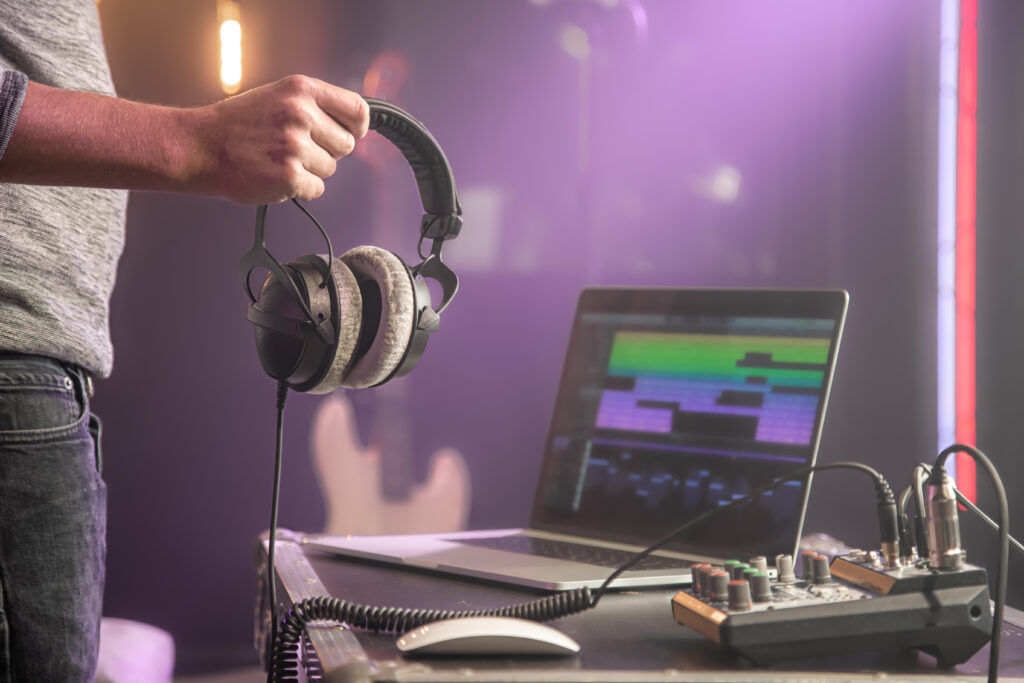
Digital Audio Workstation (DAW) software is an essential tool for any studio-quality audio production. DAWs allow users to manipulate and mix multiple tracks of audio into a single cohesive recording. By using a combination of virtual instruments, plugins, effects, and mixing techniques, producers can craft professional-sounding mixes with ease. DAWs also support a wide range of file formats for exporting and mastering your work. Additionally, many DAWs offer useful features such as automation, MIDI sequencing, time stretching, pitch shifting, and more.
For audiophiles seeking the highest-quality sound in their recordings, investing in a powerful DAW is worth the cost. With the right setup and knowledge of how to use it properly, digital audio workstations can help unlock the full potential of your recordings and elevate them to a professional level.
Pros and Cons of Expensive Headphones
For audiophiles, finding the perfect set of headphones is an important decision. Expensive headphones offer a price range of benefits, including studio-quality sound and accuracy. They also often come with features such as active noise cancellation, wireless options, and detachable cables for convenience. On top of that, high-end headphones are typically made with durable materials for long-term use.
However, expensive headphones may not be the best choice for everyone due to their hefty price tag. Additionally, if you’re looking for a pair of headphones with a more balanced sound profile or don’t require any extra features like ANC or Bluetooth connectivity, cheaper options are usually just as good and can be found at affordable prices. Ultimately, each consumer must weigh the pros and cons when deciding if expensive headphones are the right purchase for them.
Advantages of Investing in High-End Models
Investing in a higher-end pair of headphones can be a great decision for audiophiles. Although these models may come with a heftier price tag, they also offer many advantages over their cheaper counterparts. High-end models typically feature more durable materials and construction, making them last longer than lower-quality headphones. Additionally, these models often offer better audio quality due to their use of advanced dynamic drivers and open or closed-back designs. This allows for improved accuracy and detail when listening to music or other audio sources.
Furthermore, some high-end headphones come with features such as active noise cancellation (ANC) and Bluetooth connectivity, which are not typically found on affordable price models. Investing in a higher-end pair of headphones is an excellent choice for those who demand the best sound quality from their audio equipment.
Disadvantages of the Price Tag
The price tag associated with studio-quality headphones for audiophiles can be a major deterrent for some. While these models offer superior sound quality, they typically come with a hefty price tag. This is because these headphones are constructed from higher-quality materials and use more advanced dynamic drivers than cheaper models. Additionally, features such as active noise cancellation (ANC) and wireless audio connectivity add to the cost of high-end headphones.
As such, many audiophiles find that investing in studio-quality headphones is simply too expensive for their budget. Furthermore, there are many mid-priced models that offer excellent sound quality and features, making it difficult to justify spending more money on top-of-the-line options. For those who want great sound without breaking the bank, investing in mid-priced models may be the best option.
Final Thoughts
For those who are serious about sound quality, investing in studio-quality headphones may be a worthwhile investment. While these models come with a hefty price tag, they deliver superior sound quality and features such as ANC and wireless audio connectivity. What’s more, many of these high-end models come with detachable cables and other accessories that make them even easier to use. At the same time, mid-priced options offer excellent sound quality and features at a fraction of the cost. Ultimately, it is up to the individual audiophile to decide which option is best for their needs. No matter which model they choose, they can look forward to many hours of listening pleasure with studio-quality headphones for audiophiles.


More Stories
Benefits of Using Audio Equipment
Top 5 High-End Audio Equipment Brands for Audiophiles
Audio Equipment Maintenance Tips