


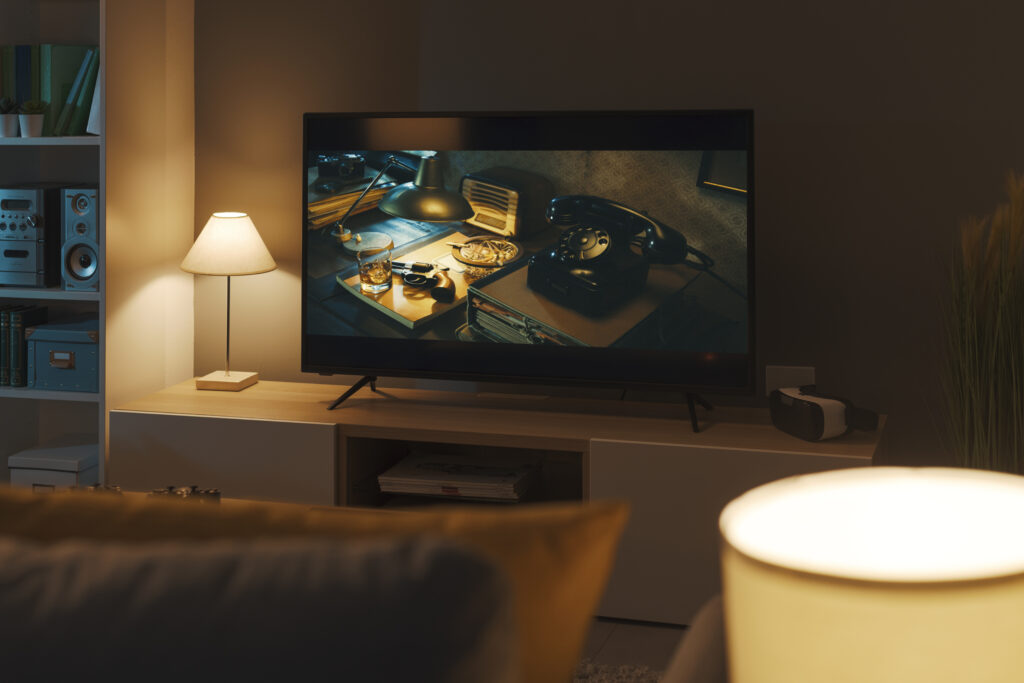
Television technology has come a long way, baby! We’ve gone from fuzzy, analog signals to super clear, high-definition digital streaming. And the future? It’s looking even brighter! With innovations in content access, TV interaction, and immersive viewing experiences, we’re entering a whole new era of entertainment. But, to keep up with the times, TV providers need to keep innovating too. In this paper, we’ll dive deep into the current state of TV tech, explore what’s on the horizon for customer experience and original content, and take a hard look at traditional TV business models. So, grab your popcorn, and let’s explore just how far we’ve come—and where we’re headed next!
Definition of Television Technology
Television technology is a broad term used to describe the various hardware and software components that enable us to watch television programs. These components include traditional television screens, digital signals, cable TV services, satellite services, streaming services, and more. Television technology also encompasses the ways in which users interact with their TV sets, such as remote controls and voice commands.
As technology continues to evolve, television providers are developing new ways for viewers to access content and have an immersive viewing experience. High-definition television (HDTV) is one example of this innovation—it offers sharper images and a wider range of colors than traditional televisions. Other advancements in the works include digital TV signals with bandwidths up to 10 times greater than current HDTV systems. With these technological improvements come higher consumer expectations for an enjoyable viewing experience—one that will keep them coming back for more.
Current Television Technology
Currently, television technology is undergoing a major transformation. With the rise of digital television, streaming services, and other forms of content delivery, traditional analog signals are being replaced with high-definition picture quality and large amounts of data that can be quickly accessed by viewers. This allows for a wide range of programming and new viewing experiences. Digital TV also brings greater interactivity through on-demand services and user control over the type of content they watch. Linear television is still available but consumers now have access to an unprecedented diversity of content that can be tailored to their individual preferences. All these changes in television technology are making it easier for viewers to find what they want when they want it while providing a superior experience than ever before.
The Future of Television Technology
The future of television technology is incredibly promising. With the advancement of digital signals, television content can now be delivered in high-definition quality with immersive viewing experiences that provide viewers with an unparalleled experience. Online streaming services are playing a major role in driving consumer expectations for more interactive and personalized content, allowing them to access their favorite shows and movies on demand.
Additionally, traditional television screens are being replaced by smart TVs which allow consumers to have greater control over what they watch. The result is an ever-evolving landscape that provides viewers with a greater variety of content and more immersive experiences than ever before. As new technologies continue to develop, the future of television technology looks brighter than ever.
Impact of Streaming Services
Streaming services have had a tremendous impact on the television industry. Thanks to these platforms, viewers can now access a wide range of content from all over the world with ease. This has allowed for an increase in diversity in television programming, as well as more interactive experiences for viewers. Streaming services also provide customers with more control over their viewing habits and preferences, allowing them to watch whatever they want, whenever they want. These services offer an experience that is significantly different from traditional linear television and cable TV services, which are largely limited by time slots and availability of content. The convenience and flexibility of streaming services has revolutionized the way people watch television, resulting in better experiences for viewers and increased consumer demand for these services.
Original Content
Original content has become a major focus for both traditional and streaming television platforms in recent years. This type of content is created specifically for television, as opposed to being adapted from other mediums such as movies or books. Original content allows media companies to create unique stories and experiences that are tailored to the needs of their audience.
It also provides an opportunity for networks and streaming services to stand out from their competitors, offering viewers something new and exciting that they won’t find anywhere else. Companies like Netflix have invested heavily in creating original content, resulting in award-winning series like Stranger Things and The Crown. As the demand for original content continues to grow, it’s likely that we will see more television programs created exclusively for streaming services, providing viewers with an even greater variety of options when it comes to watching TV.
Wide Range of Entertainment Options
The future of television technology brings with it a wide range of entertainment options for viewers. Thanks to digital signals, streaming services, and cable TV service providers, customers can choose from a variety of content that best suits their needs. From on-demand services to linear television, there is something for everyone. High-definition television has also become increasingly popular in recent years, providing viewers with an immersive viewing experience that rivals traditional television screens. With such a wide range of options available, consumers can enjoy anything from classic sitcoms to new and innovative programs tailored specifically for online streaming platforms. As the industry continues to evolve, the possibilities are endless when it comes to the future of television technology and the experiences it offers for viewers.
Customer Experience
The customer experience has been greatly improved by the advances in television technology over recent years. Customers now have access to a wide range of content, from classic television programs to new and innovative digital streaming services. High-definition television provides viewers with an immersive viewing experience that rivals traditional analog signals. On-demand services allow customers to watch their favorite shows whenever they want, while cable TV service providers offer access to a variety of linear channels.
With the introduction of these technologies, customers can enjoy the convenience of being able to watch whatever they want, whenever they want it. The future of television technology promises an even more personalized experience for customers as demand for customized content continues to rise. As consumer expectations continue to evolve, television providers will need to stay ahead of the curve in order to provide an enjoyable and satisfying experience for their viewers.

Immersive Viewing Experience
Viewers of modern television enjoy an immersive viewing experience that was previously unavailable in traditional analog signals. High-definition television (HDTV) provides viewers with a sharper, more vibrant picture that makes watching programs on their screens a truly enjoyable experience. Digital signals provide better sound quality than analog signals, allowing viewers to hear every word and detail of the audio.
Furthermore, advanced technologies such as 3DTV create a fully immersive experience for viewers by combining HDTV with three-dimensional visuals. The combination of these technologies allows viewers to become absorbed into whatever they are watching, creating a more engaging viewing experience than ever before. As technology continues to advance, the future looks bright for television viewers who can enjoy an even more realistic and immersive viewing experience in the years ahead.
Traditional Television Screens vs. Digital Signals
Traditional television screens are still a dominant part of the television industry and will continue to be for some time. However, digital signals offer many advantages over traditional analog signals, such as higher resolution pictures, better sound quality, and interactive features like pause and rewind. Digital signals also offer viewers a wider range of channels and access to on-demand services that allow them to watch movies or TV shows whenever they please.
While these features may seem minor compared to what digital television offers, they go a long way in improving the overall experience for customers. Digital signals also require less power than their analog counterparts, making them more energy efficient and cost-effective. As consumer demand for more convenience increases, it is likely that digital tv signals will become increasingly popular as cable tv service providers look to satisfy their customers’ expectations.
Analog Signals vs. Digital TV Signals
Analog signals have been around for decades and are still used by many television networks. Although they offer some advantages over digital signals, such as the ability to receive a wide range of programming, analog signals lack many of the features that consumers have come to expect in modern television viewing experiences. Digital TV signals offer viewers higher-resolution images, better sound quality, and more interactive features such as pause and rewind capabilities. Digital signals also allow viewers access to a wider range of channels and on-demand services that allow them to watch movies or TV shows whenever they please. With its improved picture and sound quality and greater convenience, digital TV is quickly becoming the preferred choice for television viewers looking for an immersive viewing experience.
High-Definition Television (HDTV)
High-Definition Television, commonly referred to as HDTV, is a digital television format that provides viewers with an improved picture and sound quality compared to traditional analog signals. HDTV produces images in greater detail and provides a more immersive viewing experience by providing wider viewing angles and higher resolution than traditional analog signals.
Additionally, HDTV offers Dolby Digital 5.1 surround sound audio for an immersive sound experience. With its improved picture and sound quality, HDTV has become the preferred choice for many television viewers looking for an enhanced viewing experience. Furthermore, with the availability of 4K UHD resolution, HDTV delivers even more realistic images that make it feel like you are part of the action. With its lifelike visuals and immersive sound quality, HDTV offers television viewers an unparalleled viewing experience that can’t be matched by traditional analog signals.
Linear Television vs. Demand Services
Linear television, also known as traditional television, is the traditional model for broadcasting television programming. It involves broadcasters sending out a linear signal of content over the airwaves or through a cable TV service to viewers’ televisions. This type of broadcasting allows viewers to watch TV shows and movies in real-time as they are being broadcast. In comparison, demand services, such as streaming services, offer viewers the ability to watch a wide range of television programs and movies on demand.
Furthermore, these services provide access to an extensive library of content and allow users to watch what they want when they want. Demand services provide more control and flexibility over the viewing experience than linear television does, while also allowing viewers access to a much wider range of content than what is typically available with linear television. It is also demand services often offer improved picture and sound quality over traditional television screens due to their digital signals instead of analog ones. The future of television technology lies in combining both linear television and demand services into one unified platform that provides an enhanced immersive experience for customers.
Impact on the Television Industry
The impact of emerging television technology on the television industry is significant. For example, as consumers become more and more comfortable with streaming services like Netflix, Hulu, and Amazon Prime Video, they are becoming increasingly less reliant on linear TV. This shift has caused broadcasters to rethink their strategies in order to remain competitive in a market that is rapidly changing. In response, many broadcasters are looking to develop their own streaming services or partner with existing ones in order to provide viewers with an extensive library of content.
Additionally, the move towards digital television signals has seen many traditional analog signals phased out in favor of improved picture and sound quality. As a result, consumer expectations for high-definition television have increased significantly over the past few years. The future of television technology will require broadcasters to continue to innovate and find new ways to meet consumer demand while providing an immersive viewing experience that keeps viewers engaged and entertained.
Increased Competition in the Marketplace
The increasing competition in the marketplace and changing consumer expectations have had a profound impact on the television industry. With more streaming services entering the arena, traditional cable and satellite providers are finding it harder to compete and retain customers. Consumers are now demanding an ever-growing variety of content in addition to high-quality pictures and sound quality.
As a result, broadcast networks must invest in new technologies that can accommodate these demands while providing viewers with an immersive viewing experience. This includes not only providing access to digital signals but also creating innovative experiences that can offer customers more than just linear TV such as interactive elements, user customization, personalized recommendations, and more. To meet these requirements, broadcasters must embrace the latest technology trends while continuing to develop their own original content to ensure they remain competitive in this rapidly changing market.
Implications for Traditional TV Business Models
The implications for traditional TV business models are considerable. In today’s market, linear television is no longer the primary way viewers watch content. As streaming services and other on-demand options become more popular, broadcasters must shift their focus from analog signals to digital signals in order to stay competitive. This means a complete overhaul of existing infrastructure and technology.
In addition, broadcasters must develop new pricing models to accommodate consumer demand and ensure that their content is available across multiple platforms. Finally, they must invest in creating an immersive experience for viewers by using interactive elements such as user customization and personalized recommendations. Ultimately, these changes will help broadcasters remain competitive in the ever-evolving world of television technology.
The Future of Television Programs and Content
The future of television programming and content has never been brighter. With a wide range of streaming services, on-demand offerings, and traditional cable TV services all competing for viewers’ attention, there is no shortage of options when it comes to choosing what to watch. This increased competition has pushed content providers to deliver higher-quality shows and movies in order to remain competitive.
As a result, consumers can now access high-definition television programs and films with greater clarity than ever before. Furthermore, streaming services are offering an unprecedented level of personalization and customization, allowing users to tailor their viewing experience according to their preferences. In the near future, these developments will create an even more immersive viewing experience as demand services become increasingly sophisticated in meeting consumer expectations.
Availability of Premium Content
The availability of premium content has drastically improved in recent years, giving viewers access to more diverse and high-quality programming than ever before. Whether it is through traditional cable TV services, online streaming platforms or digital television signals, consumers are now able to access an array of content from around the world. This includes blockbuster movies, hit TV series, and documentaries from leading production companies as well as original content that is exclusive to certain platforms.
With the ability to view these programs whenever and wherever they want, customers are no longer bound by traditional linear broadcast schedules and can instead enjoy a personalized viewing experience tailored to their own tastes and preferences. In addition, with new technologies such as virtual reality becoming increasingly commonplace, viewers can now be transported into immersive environments that bring even more entertainment value and enjoyment. The future of premium content looks bright indeed.
Conclusion
As the television industry continues to evolve, it is becoming increasingly clear that traditional linear broadcast models are no longer sufficient to meet the demands of today’s consumers. Instead, viewers now expect a wide range of content options with high-definition television and immersive viewing experiences becoming essential elements of their home entertainment experience. In order for companies to remain competitive in this rapidly changing landscape, they must capitalize on emerging technologies and trends that enable them to provide an enhanced experience for customers. This includes embracing online streaming services and digital TV signals as well as creating innovative ways for viewers to access content such as demand services or subscription packages. By doing so, businesses can ensure that their customers remain engaged and satisfied in the future of television technology.


More Stories
How to Choose a Television for Your Need?
5 Television Brands That Offer the Best Picture Quality
The Pros and Cons of Buying a Refurbished Television