


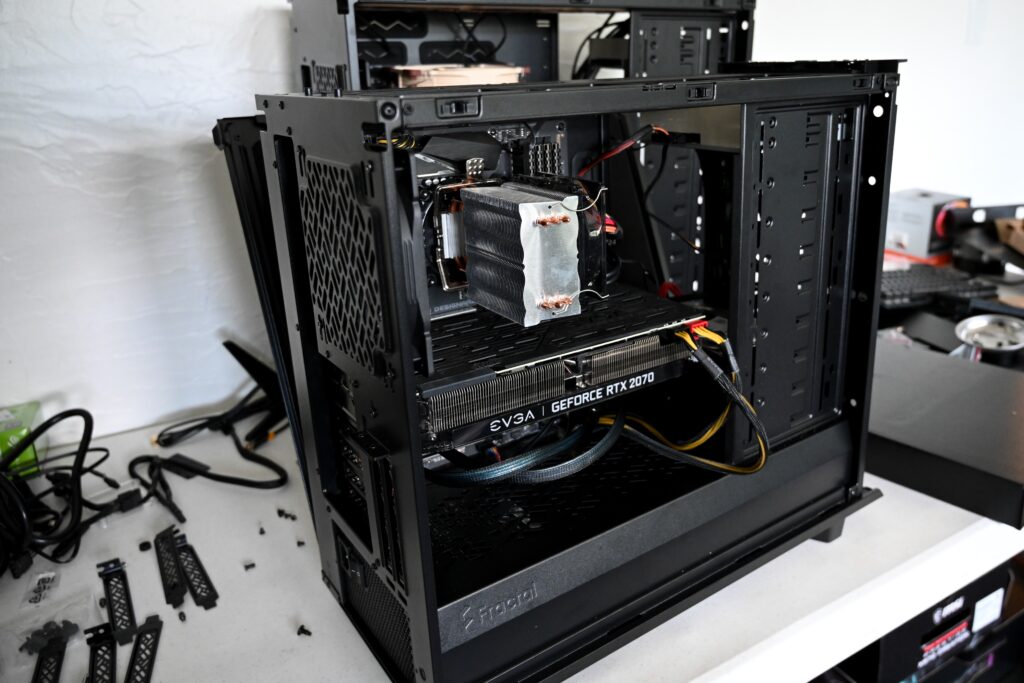
Do you need to upgrade your computer but don’t know where to start? Shopping for a computer can be an exciting and intimidating experience. Not sure what type of processor, RAM, graphics card, or storage capacity you need? With so many options on the market, it can be hard to choose the right one for your needs. From budget considerations to performance needs, this article will provide you with all the information you need to make an informed decision about which computer is best for you. Read on to learn how to choose the perfect computer for your needs!
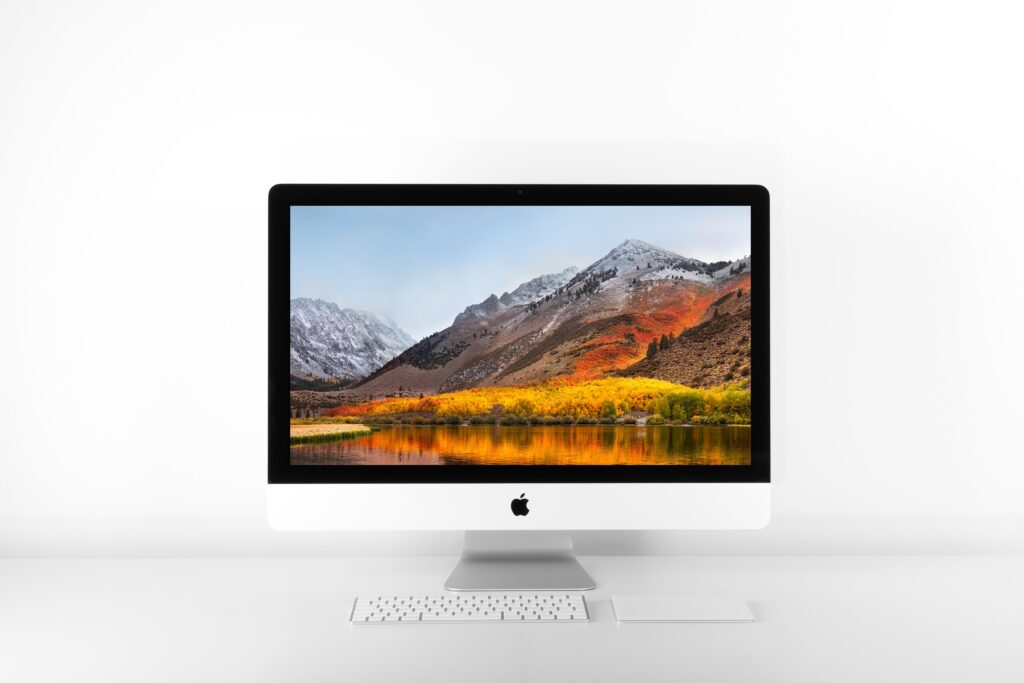
What Kind of Computer Do You Need?
Choosing the right type of computer for your needs can depend on a variety of factors. If you are a casual user and just need to browse the internet, check email and write documents, then a laptop or budget desktop should suffice. For more intensive tasks such as gaming or video editing, you may want to opt for a desktop with faster processors and larger storage capacity. For power users who need maximum performance, a high-end gaming laptop or desktop with core i9 processors and solid-state drives will be necessary. Furthermore, if portability is important then lightweight laptops with long battery life may be the best option. When considering what type of computer to buy, it is important to consider all the features that will suit your needs as well as your budget.
When deciding on which operating system works best for you, it is important to consider different types of Windows Operating systems available such as Windows 10 Home or Professional editions. Additionally, there are many different form factor options ranging from traditional desktops to laptops and even tablets, so make sure you choose one that fits your lifestyle needs. Finally, it is also important to consider personal preference when it comes to selecting graphics cards, USB ports, RAM size, and clock speed for better performance in games or applications.
In conclusion, choosing the right type of computer depends on multiple factors including budget considerations, processing power requirements, and personal preference. With so many options available on the market today it can be difficult to decide which one is best suited for your needs but by taking into account all these points you should have no problem finding the perfect PC to fit your lifestyle!
Overall, the right type of computer can be found by taking into account all your needs and preferences. With the right combination of features and performance, you’re sure to find the perfect PC for your lifestyle. Now, let’s dive into budget considerations to see how to get the best bang for your buck!
Budget Considerations
When budgeting for a computer, it is important to consider how much you are willing to spend. While there is a wide variety of computers available on the market, they range from low-cost budget laptops to gaming laptops and high-end desktops with the latest components. Depending on your needs and level of expertise, you can find a machine that fits your budget without sacrificing performance.
It is also important to consider what type of peripherals such as monitors, keyboards, and mice you may need as these will add up in cost. Additionally, an external hard drive or a large-capacity storage device such as an SSD or HDD might be necessary depending on the size of files you plan to store or use.
Finally, if portability is a priority then lightweight laptops with longer battery life might be the best way to go. Consideration must also be given to factors such as form factor and screen size when looking into laptop options.
In conclusion, when considering budget considerations for purchasing a computer it is important to weigh all your needs against what kind of machine best suits your requirements while staying within your desired budget range. With careful consideration and proper research, you can find the perfect PC for your lifestyle!
Overall, it is important to consider your budget when purchasing a computer – ensure you get the most out of your money. Now that you know what to look for, let’s explore how much money you can actually spend on a new machine!
How Much Money Can You Spend?
When it comes to purchasing a computer, you must consider your budget. Depending on the type of machine and its specifications, the cost can range from hundreds to thousands of dollars. It is important to weigh your needs against what kind of machine best suits your requirements while staying within your desired budget range.
For those who are looking for basic computing power, a laptop or desktop with an entry-level processor and 4GB RAM should be sufficient. These machines typically cost between $300 – $600 depending on their configuration and brand. For more intensive tasks such as gaming or video editing, a laptop or desktop with a mid-range processor (such as an Intel Core i5) and 8GB RAM should be suitable. These machines usually cost anywhere from $700 – $1000 depending on the brand and configuration.
For those users who require top-of-the-line performance for high-end applications, laptops or desktops with higher-end processors (such as Intel Core i7/i9) and 16GB RAM will be the best option. However, these machines often come with a hefty price tag ranging between $1200 – $3000 depending on their configuration and manufacturer.
In conclusion, there is no one size fits all answer when it comes to budgeting for a computer purchase; however, by considering what you need from the machine in terms of processing power, memory capacity, and other features such as graphics cards you can find one that fits both your budget and needs!
What Kind of Laptop is Best for Your Budget?
When it comes to choosing a laptop, it’s important to consider your budget. Depending on the type and specifications of the machine, the cost can vary widely. For those who need basic computing power, such as web browsing, word processing, and streaming media, an entry-level laptop with 4GB RAM should suffice and will typically cost between $300 – $600. If you require more intensive tasks such as gaming or video editing, a mid-range laptop with 8GB RAM and a Core i5 processor is recommended; these machines usually range from $700 – $1000.
For power users who are looking for top-of-the-line performance for high-end applications, laptops with higher-end processors (such as Intel Core i7/i9) and 16GB RAM would be best; however, these machines come at a much higher price tag ranging from $1200 – $3000 depending on their configuration.
When choosing a laptop that fits your budget, you should also consider other features such as graphics cards or USB ports if they are necessary for your needs. Ultimately, your choice should be based on personal preference while weighing up what specifications are required for the tasks you wish to complete.
Is it Better to Buy Refurbished or New?
When it comes to purchasing a computer, many consumers debate the merits of buying a refurbished or brand-new one. Refurbished computers are generally cheaper than retail prices and have been tested for quality assurance by the manufacturer or reseller. This can be helpful if you are on a tight budget as well as provide peace of mind in knowing that the product has been checked for defects or malfunctions. Additionally, many certified refurbished computers come with warranties and extended support options.
On the other hand, buying a brand-new computer offers more assurance of quality since it is fresh out of the box and likely to have fewer compatibility issues. Furthermore, newer models tend to feature better performance capabilities with faster processing speeds and larger storage capacity.
Ultimately, your decision should be based on your individual needs and budget requirements; if you need top-of-the-line performance then buying new is probably best whereas those who are looking for an affordable option may want to consider certified refurbished machines instead.

Computing Power and Performance Needs
When it comes to purchasing a computer, computing power and performance needs should be top of mind. Whether you’re an occasional or regular user or a power user who needs the latest technology for gaming and other high-demand activities, the right computer should meet your performance needs and provide a smooth experience. For example, those who want faster processing speeds and larger storage capacity should consider a desktop with a central processing unit (CPU) such as an Intel Core i9, while gamers may opt for more powerful graphics cards. Additionally, budget laptops and gaming laptops are available to cater to your specific requirements.
Random access memory (RAM) is another important factor when it comes to computing power; having more RAM can help increase speed and reduce lags. Solid state drives (SSDs) also provide faster read/write speeds than traditional disk drives and are worth considering if you want more reliable performance from your machine. And don’t forget about the operating system – Windows OS has been around for decades but there is now a wide range of options available to choose from.
Finally, personal preference plays an important role in choosing the right computer; form factor, screen size, USB ports, clock speed, etc., all come into play when selecting the best model for your needs. Do some research beforehand to make sure you end up with the right machine that meets all of your computing power and performance requirements.
No matter your computing needs, it’s important to find the computer that fits best with your lifestyle and preferences. With so many options available, you can be sure to find a machine that meets all of your performance requirements. Now, let’s take a look at which processor should you choose for optimal computing power.
Which Processor Should You Choose?
When it comes to choosing a processor for optimal computing power, there are several factors to consider. If you’re looking for more powerful performance, faster processors such as Intel Core i9 are great choices. For gamers and power users, dedicated graphics cards can provide a smoother gaming experience and higher frame rates. Additionally, the amount of RAM on your machine is important; having more RAM will help improve speed and reduce lags while solid-state drives (SSDs) offer faster read/write speeds than traditional disk drives.
It’s also worth considering the type of computer you want; desktop PCs with CPUs such as Intel Core i9 provide more powerful performance while laptops allow for portability. It’s important to find the right balance between computing power and portability that suits your lifestyle.
No matter your computing needs, there are many options available to choose from when it comes to processors and computers. With some research beforehand, you can be sure to find a machine that meets all of your performance requirements.
What Type of RAM Do You Need?
Random Access Memory (RAM) is an important part of any computer and can greatly affect its performance. Choosing the right RAM can make a big difference in the speed and responsiveness of your machine.
When it comes to RAM, there are two main types: DDR3 and DDR4. The more modern option, DDR4, is faster but requires more energy consumption to run, while DDR3 is less expensive and uses less energy. If you’re looking for a balance between cost and performance, then DDR4 may be the best choice for you.
It’s also important to consider the amount of RAM you need; if you plan on running multiple programs at once or editing large files, then 8GB should be enough. However, if you want to play graphics-intensive games or work with high-resolution pictures, 16GB is recommended. Bear in mind that both types of RAM are available in different capacities as well – from 4GB all the way up to 32GB – so you can select one that meets your needs perfectly.
Finally, consider your budget when selecting RAM; higher capacity modules tend to be more expensive but offer improved performance compared to lower capacity modules. Ultimately, choosing the right type and amount of RAM will depend on your individual needs and preferences.
What Size Graphics Card Should You Get?
When it comes to graphics cards, size matters. A larger graphics card can provide improved performance for gaming and other applications that require high-end graphics processing. The size of the card you should get depends on what type of card you need and how much power you need to run your favorite games or programs.
For basic tasks such as web browsing, a smaller card such as a GTX 1050 is usually sufficient. If you’re looking to do more intensive work such as video editing or 3D modeling, then a larger card like the GTX 1070 is recommended. For the ultimate in gaming performance, look for cards like the RTX 2080 Ti or AMD RX Vega 64 which offer cutting-edge technology and massive amounts of processing power.
Before purchasing a graphics card, make sure to check its compatibility with your system. Some cards are designed for specific types of motherboards, so be sure to double-check before making your purchase. Additionally, consider whether you want an internal or external solution; external options may provide more flexibility but may also require additional hardware and setup time.
Ultimately, selecting the right size graphics card is largely dependent on your individual needs and budget. Consider all these factors before making your decision so that you can find the best possible solution for your needs and budget.
What Operating System Is Right for You?
Choosing the right operating system (OS) for your computer can be a daunting task. With so many different versions and types available, it’s hard to know which one is best for you. The first step in making your decision is determining what type of user you are. Are you a casual user who mainly uses your computer for basic tasks such as web browsing, or are you a power user looking to do intensive tasks such as video editing and gaming? Depending on your needs, there are several options available.
For casual users, Windows 10 is likely the best choice due to its wide range of features and compatibility with other programs. MacOS is also an option if you prefer the Apple ecosystem, although it may be more expensive than Windows 10. For power users, Linux-based systems such as Ubuntu offer more flexibility and performance at a lower cost than Windows or macOS.
When selecting an OS, consider factors like ease of use, cost, compatibility with other software programs, and security features. Ultimately though, much of the decision comes down to personal preference; if you have used one OS in the past and feel comfortable with it then that should be your primary consideration when making your decision.
How Many USB Ports Do You Need?
The number of USB ports you need depends on your computer usage and the type of devices you plan to connect. If you only plan to use a mouse, keyboard, or other basic peripherals, then two or three USB ports should be enough. However, if you need to connect multiple devices such as external hard drives, printers, or even gaming consoles then more ports may be necessary. Generally speaking, four USB ports are recommended for most users, although those with more demanding requirements might need up to eight ports.
When purchasing a new laptop or desktop computer, it is important to consider the number of available USB ports as this can affect how many devices you can connect at once. Some laptops come with additional ports such as Thunderbolt and HDMI which offer faster connection speeds than traditional USBs. Additionally, some modern motherboards feature built-in USB hubs that allow users to expand the number of available ports without needing external hardware.
Choosing the right number of USB ports for your computer will depend on your specific needs and future plans; however, having enough is always better than not having enough!
How Much Storage Space Will You Require?
Storage is an important factor to consider when choosing a computer. It’s important to ensure that you have enough space to store all your data, documents, photos, and applications.
Solid state drives (SSD) are the most popular type of storage device due to their fast read/write speeds. SSDs are available in sizes ranging from 250GB up to 4TB; however, smaller capacities are generally more cost-effective. For most users, a 500GB or 1TB SSD should provide sufficient storage for everyday needs.
Those requiring more space may consider adding an external hard drive or using cloud storage services such as Google Drive or Dropbox. External hard drives are available in much larger capacities than internal ones, ranging from 1TB up to 8TB or higher depending on the model. They also offer additional security benefits due to their ability to be disconnected from the computer when not in use.
When selecting a new computer it is important to consider what type of storage will be required and make sure that there is enough capacity for all your data needs. For those who require large amounts of storage space, external hard drives and cloud services can be invaluable.

Types and Form Factors of Computers
When shopping for a computer, it is important to consider the type and form factor of the system that best meets your needs. Types of computers include desktop, laptop, tablet, and all-in-one systems. Each type has its own advantages and disadvantages depending on the user’s intended use. Desktop computers are typically larger than other types of computers and offer more flexibility for upgrades. Laptops are becoming increasingly popular due to their mobility but may be limited by their lack of upgradeability. Tablets offer portability but have limited storage capacity and processing power compared to laptops or desktops. All-in-one systems combine the versatility of a desktop with the portability of a laptop into one compact package.
The form factor refers to the size and shape of a computer’s components such as case shape and motherboard layout. The most common form factors include ATX (Advanced Technology eXtended), mini ITX (Information Technology eXtended), and micro ATX (Advanced Technology), which are designed for different levels of performance requirements ranging from budget laptops to powerful gaming systems.
It is important to carefully consider both type and form factors when selecting a new computer in order to ensure that it meets your specific needs today as well as in the future.
When shopping for a computer, it is important to consider both type and form factors in order to make the best choice. So, if you’re looking for a powerful system that can be customized or upgraded in the future, it’s time to decide: Desktop or Laptop?
Desktop vs. Laptop Computers
When it comes to choosing a computer, the decision between a desktop and a laptop depends on your individual needs. Desktop computers offer the greatest potential for customization and upgradability, while laptops are more portable and can be used in places where a desktop cannot. If you plan to use your computer for gaming or other activities requiring a powerful processor, graphics card, and RAM, then a desktop is likely the better choice. Laptops are ideal for those who need portability and don’t require as much power or storage capacity. Ultimately, the choice between a desktop versus a laptop is up to personal preference. Both types of systems offer a wide range of features, from budget options to high-end models with faster processors and solid-state drives.
When selecting either type of system, consider factors such as size, storage capacity, operating system preferences, number of USB ports required, clock speed, display size (for laptops), and any additional features that may be important for your specific needs. With so many options available on both types of systems today, it’s easy to find one that meets your requirements at an affordable price point.
Other Considerations
When selecting a computer, there are many other factors to consider beyond desktop versus laptop. For example, processing power is an important factor for gamers and power users who require faster processors such as the Core i9. Additionally, operating systems like Windows or Apple’s macOS should be considered depending on your preference. Random Access Memory (RAM) is also important to consider; more RAM will provide greater speed and performance for applications like video editing or 3D rendering.
Depending on your budget and needs, you may want to invest in external drives for extra storage capacity or a larger screen size if you plan on using the computer for entertainment purposes. Also, consider form factor; desktops come in various sizes while laptops come in different form factors such as a 2-in-1 or Ultrabook. With so many options available today, it’s vital to do research and compare models before making your purchase decision in order to find the best computer for your needs.
Conclusion
In conclusion, choosing a computer is a highly personal decision that depends on your individual needs and budget. Whether you choose a desktop or laptop, modern computers offer powerful components and features such as solid-state drives, graphics cards, USB ports, and more. Be sure to research different models so you can make an informed decision. Finally, keep in mind that there are many other factors to consider such as processing power, RAM capacity, operating system preference, and form factor. With the right information and guidance, you can find the perfect computer for your needs.


More Stories
Benefits of Using Computers
Popular Comuputer Brand
How to Protect Your Computer from Cyber Threats and Viruses