


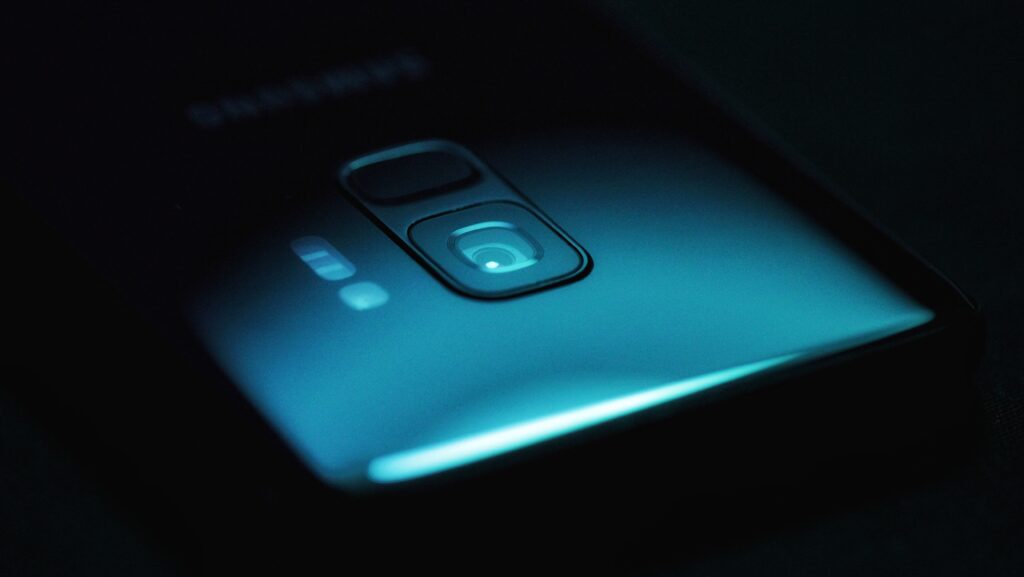
Imagine being surrounded by breathtaking scenery, ready for that perfect shot. Now picture having a camera phone specially designed for photography enthusiasts – from Samsung Galaxy cameras, compact systems, and telephoto lenses, modern camera phones have revolutionized how we take pictures. For those who want nothing but the best for capturing life’s most beautiful moments, learning about the features and benefits of these high-tech devices is crucial. In this article, we’ll explore the world of camera phones for photography enthusiasts, delving into dynamic range, sensor size, manual control, optical zoom, and megapixel counts. So why settle for mediocre photos when you can capture extraordinary moments with a camera phone built for the artistic soul? Let’s dive into the world of camera phones for photography enthusiasts!
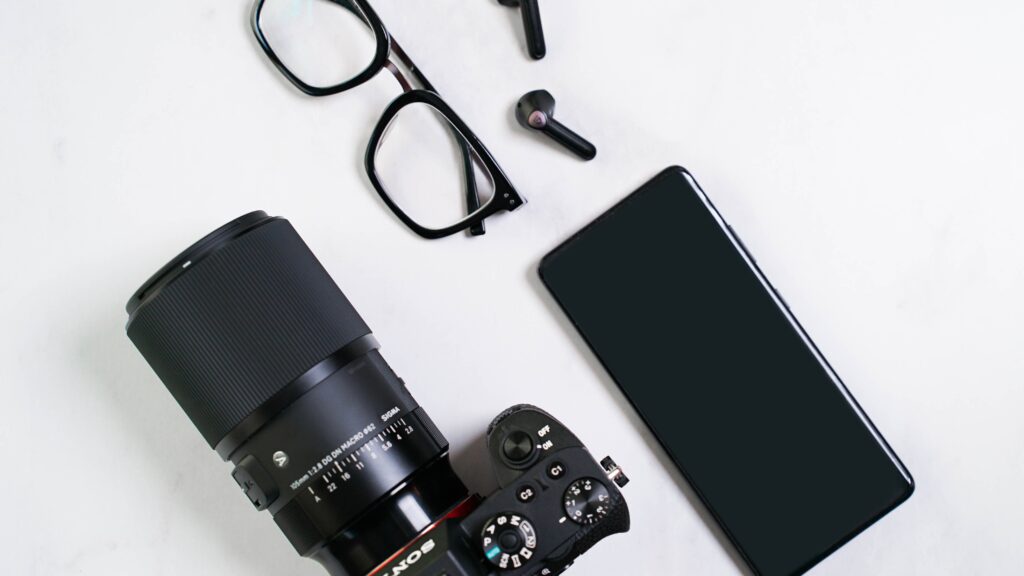
Definition of Cameras Phones for Photography Enthusiasts
Cameras phones for photography enthusiasts are specifically designed to meet the needs of those who take pictures as a hobby or profession. These devices often feature larger sensors and more advanced optics than regular smartphones, allowing for greater control over the image quality. Additionally, many camera phones come with a range of focal lengths and wide-angle lenses, giving users the ability to capture stunning shots from a variety of perspectives. Furthermore, they often have features such as manual mode, portrait mode, and cinematic mode that allow photographers to customize their images’ settings according to their vision. Finally, many of these devices also offer features such as depth of field control, white balance adjustment, and post-processing options, making them suitable for both amateur and professional photographers alike.
Overview of Popular Smartphone Cameras
Smartphone cameras have come a long way over the past decade. Nowadays, top-tier flagship phones offer incredible photography capabilities, rivaling even compact cameras in some cases. Samsung Galaxy devices boast an impressive dynamic range and manual control options, while Apple iPhones are renowned for their computational photography capabilities. Other popular smartphones such as Google Pixel and Huawei P30 Pro focus on providing users with stunning rear camera setup and ultra-wide lenses. In addition to these features, most modern smartphones also offer excellent video recording capabilities, high megapixel counts, and post-processing options for producing polished images. All of these features make smartphone cameras the perfect choice for both casual photographers and professional image-makers alike.
1. Samsung Galaxy Cameras
Samsung Galaxy cameras are a popular choice for photography enthusiasts due to their impressive dynamic range and manual control options. Galaxy devices boast a wide range of features, including large sensors, optical zoom, mirrorless cameras, and telephoto cameras with various focal lengths. Rear cameras are equipped with portrait mode, manual mode, cinematic mode, and depth-of-field capabilities. Additionally, white balance settings allow users to capture images in different color temperatures. With post-processing options such as filters and effects, users can easily produce professional-looking results with minimal effort. All these features make Samsung Galaxy phones an ideal choice for both creative professionals and amateur photographers alike.
Overview of Samsung Galaxy Camera Features
The Samsung Galaxy range of cameras is a great choice for photography enthusiasts. They offer a range of features that make capturing stunning photos easier than ever before. With larger sensors, optical zoom, and various focal lengths, users can easily capture images with exceptional detail and clarity. Manual mode gives users the ability to control shutter speed and exposure settings, while portrait mode is perfect for taking beautiful portraits. Additionally, white balance settings allow photographers to adjust the color temperature of their images, and post-processing options such as filters and effects help bring out the best in each image. All these features make Samsung Galaxy phones an ideal choice for anyone looking to take professional-looking photos without spending a fortune on camera equipment.
Benefits of the Samsung Galaxy Camera for Photography Enthusiasts
The Samsung Galaxy range of cameras is a great choice for photography enthusiasts, offering a range of features that make capturing stunning photos easier than ever before. The larger sensors, optical zoom, and various focal lengths, allow users to easily capture images with exceptional detail and clarity. Manual mode gives users the ability to control shutter speed and exposure settings, while portrait mode is perfect for taking beautiful portraits. White balance settings allow photographers to adjust the color temperature of their images and post-processing options such as filters and effects help bring out the best in each image. Additionally, the latest models feature improved dynamic range for greater contrast and better shadow details as well as multi-camera rear setups for more creative shots. Cinematic mode helps create videos with smoother transitions between shots while flagship phones like the Samsung S20 Ultra offer 5x optical zoom, 10x hybrid zoom, and an impressive 100x digital zoom that can let you get closeup shots from a distance. With these features combined, Samsung Galaxy cameras are sure to impress even the most discerning photographers out there.
Key Advantages and Disadvantages of the Samsung Galaxy Camera
The Samsung Galaxy range of cameras offers many advantages for photography enthusiasts, including larger sensors and optical zoom capabilities. Manual mode gives users the ability to adjust settings like shutter speed and exposure, while portrait mode is great for taking beautiful portraits. The latest models have improved dynamic range for better contrast and shadow details as well as multi-camera rear setups for more creative shots. Cinematic mode helps create videos with smoother transitions between shots. However, there are also some disadvantages to consider. Flagship phones like the S20 Ultra are expensive compared to other models and can be too bulky and heavy for some users to comfortably carry around all day. Additionally, megapixel counts on these cameras tend to be lower than those found on other phones in the same price bracket which can affect image quality, particularly when it comes to zooming in or cropping images after capture. Ultimately, whether or not a Samsung Galaxy camera is right for you depends on your budget, personal preferences, and needs as a photographer.
2. Compact Cameras
Compact cameras are an ideal choice for photography enthusiasts who want to take great photos without sacrificing portability. These cameras offer a wide range of features, including manual control and adjustable settings. They also come in a variety of sizes and designs, making them perfect for taking on the go. Additionally, many compact cameras feature larger sensors than those found in smartphones, allowing for better image quality and detail. Most models also include telephoto lenses which allow users to get up close to their subject without sacrificing image quality. Finally, these cameras offer a more affordable alternative to other camera types while still providing excellent picture quality. Compact cameras are perfect for capturing great images on the go and are an ideal choice for photographers who need a lightweight and portable solution.
Overview of Compact Camera Features
Compact cameras are a great choice for photography enthusiasts who want excellent image quality without sacrificing portability. These cameras are packed with advanced features and come in a variety of sizes and designs. Most offer larger sensors than those found in smartphones, allowing for better image quality and detail. Additionally, telephoto lenses are available on many models to get up close to the subject without losing image quality. Manual control is also available on most models, giving users greater freedom when it comes to their photography. Finally, compact cameras provide an affordable yet high-quality solution for photographers looking for a lightweight camera that can keep up with them on the go.
Benefits of Compact Cameras for Photography Enthusiasts
Compact cameras are an ideal choice for photography enthusiasts who want excellent image quality without sacrificing portability. These cameras come with a variety of features that make them perfect for capturing stunning photos and videos. A larger sensor size than what is found in most smartphones allows photographers to capture more detail and dynamic range. Many models also offer optical zoom capabilities so users can get up close to their subject without losing image quality. Additionally, manual mode allows photographers to take full control over their images while cinematic mode lets them create beautiful videos with ease. Finally, the wide range of focal lengths available on compact cameras gives users great creative freedom when it comes to their photography. With all these features, compact cameras are a great choice for those looking for a lightweight yet powerful camera that can keep up with them on the go.

Key Advantages and Disadvantages of Compact Cameras
Compact cameras have become a popular choice for photography enthusiasts in recent years, offering excellent image quality and portability. While these cameras are great for capturing stunning photos and videos, they also come with some key advantages and disadvantages that should be considered.
The main benefit of a compact camera is the larger sensor size when compared to the sensors found in most smartphones, which allows photographers to capture more detail and dynamic range. Additionally, optical zoom capabilities allow users to get up close to their subject without compromising image quality. Manual mode gives photographers full control over their images while cinematic mode provides stunning video recording. A wide range of focal lengths gives users creative freedom when it comes to their photography work.
On the other hand, compact cameras may not offer as many megapixels or rear camera setups as some flagship phones, so they may not be suitable if you’re looking for very high-resolution images or advanced portrait mode features. Additionally, post-processing can be more difficult on compact cameras since they don’t have access to the same types of editing tools as modern smartphones do. Finally, white balance and depth of field can be tricky to control manually on some models due to the limited manual controls available on these cameras.
All things considered, compact cameras are a great choice for photography enthusiasts who want excellent image quality without sacrificing portability.
3. Mirrorless Cameras
Mirrorless cameras have become a popular choice for photographers looking to capture stunning images with ease. These cameras are smaller and lighter than traditional DSLRs but offer the same level of image quality and features. Mirrorless cameras offer excellent low-light performance as well as fast autofocus capabilities that allow you to quickly lock onto your subject without missing a beat. Additionally, they also provide access to high-end lenses and accessories such as flashes and filters.
One of the most notable advantages of mirrorless cameras is their versatility; they can be used for both still photography and video recording, making them an ideal choice for content creators who want the flexibility to switch between formats. Additionally, high-end models come with advanced features such as 4K video recording, in-body image stabilization (IBIS), and slow-motion capabilities.
However, mirrorless cameras may not be suitable for everyone due to their higher price tag when compared to traditional DSLRs or smartphone cameras. Additionally, these cameras do require more technical knowledge which can make them intimidating for beginners.
Overall, mirrorless cameras are well worth considering if you’re looking for a camera that combines robust features with excellent portability and image quality.
Overview of Mirrorless Camera Features
Mirrorless cameras are digital cameras that do not feature a mirror-based optical viewfinder. This makes them smaller and lighter than traditional DSLR cameras but still allows them to take stunning photos with advanced features.
One of the key advantages of mirrorless cameras is their versatility; they can be used for both still photography and video recording, making them ideal for content creators who want the flexibility to switch between formats. Additionally, high-end models’ digital cameras come with advanced features such as 4K video recording, in-body image stabilization (IBIS), and slow motion capabilities. Moreover, they feature larger sensors than most smartphone cameras, allowing photographers to capture more detailed images and achieve better dynamic range and depth of field.
On the flip side, mirrorless cameras may not be suitable for everyone due to their higher price tag compared to traditional DSLRs or smartphone cameras. Additionally, they require more technical knowledge to operate which can make them intimidating for beginners.
Overall, mirrorless cameras offer excellent value for money if you’re looking for a camera that combines robust features with excellent portability and image quality.
4. Telephoto cameras
Telephoto cameras are a type of camera lens offering a narrow field of view, allowing photographers to capture far-away subjects with great detail. They have traditionally been used in sports and wildlife photography, but they are also gaining popularity in other genres such as portrait and wedding photography.
The main benefit of telephoto lenses is their ability to compress the distance between subjects, creating a more dynamic composition. Additionally, they offer the ability to zoom in on distant objects without sacrificing image quality. Furthermore, telephoto lenses can reduce camera shake due to their narrower angle of view.
The main disadvantage of telephoto lenses is that they require larger and heavier lens bodies which can make them cumbersome and difficult to transport. Additionally, they may be too expensive for some photographers who are just starting out.
Overall, telephoto cameras offer professional photographers unique opportunities for capturing stunning images from afar – making them an essential tool for anyone interested in taking up photography.
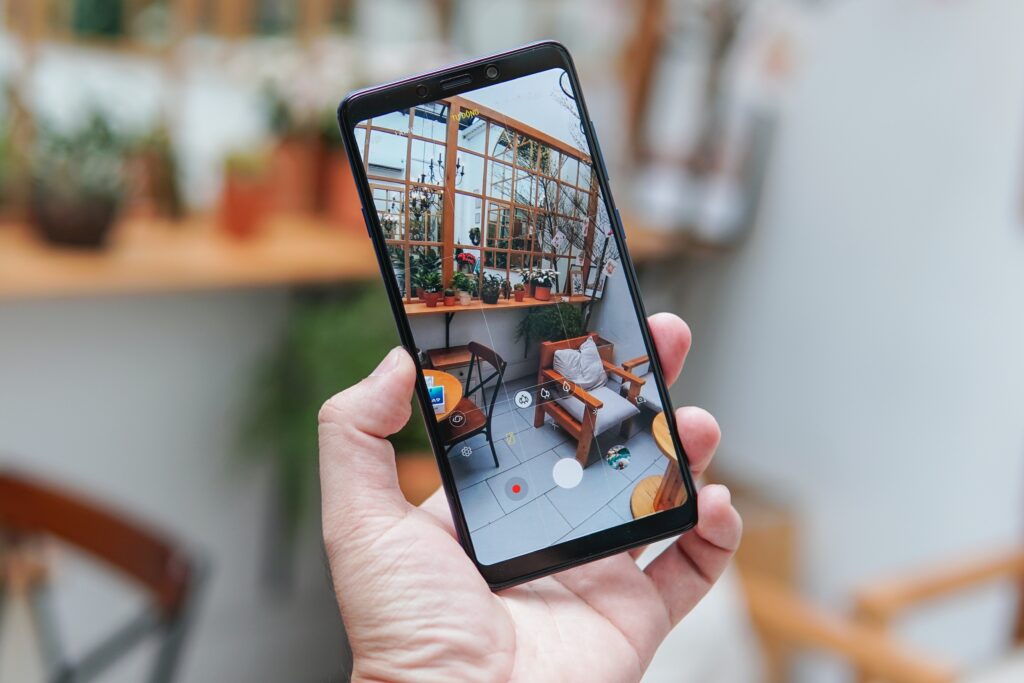
Overview of Telephoto Camera Features
Telephoto cameras offer a unique opportunity for photographers to capture stunning images from afar with great detail. Featuring a narrow field of view and the ability to zoom in on distant objects without sacrificing image quality, telephoto lenses can compress the distance between subjects and reduce camera shake.
These lenses have traditionally been used in sports and wildlife photography, but they are also gaining popularity in other genres such as portrait and wedding photography. With their ability to create stunning compositions, telephoto cameras can be an invaluable tool for any photographer looking to take their craft to the next level.
While these lenses offer many benefits, there are some drawbacks. Telephoto lenses require larger and heavier lens bodies which can make them cumbersome and difficult to transport. Additionally, they may be too expensive for some photographers who are just starting out.
Overall, telephoto cameras can be an excellent choice for photographers looking to capture beautiful images from afar with great detail. While they come with some downsides including heavier weight and a higher cost, they offer an impressive range of features that can help take your photography skills up a notch.
Dynamic Range, Sensor Size, Manual Control, Optical Zoom & Megapixel Counts
Smartphone cameras have come a long way in terms of their capabilities, with features such as dynamic range, sensor size, manual control, optical zoom, and megapixel counts allowing photographers to capture stunning images. These factors all play an important role in the quality of the photos taken with a smartphone.
Dynamic range refers to the difference between the brightest and darkest areas of an image that can be captured. A higher dynamic range allows for more detail to be seen in shadows and highlights. The pros of having a high dynamic range are improved detail and reduced noise levels. On the downside, it can lead to slower shutter speeds and increased graininess in low-light conditions.
The sensor size determines how much light is gathered by the camera when taking a photo, which affects both image resolution and quality. Generally speaking, larger sensors will produce better images than smaller ones because they can capture more light.
Manual control enables photographers to adjust settings like aperture, ISO, shutter speed, and white balance manually instead of relying on presets or automatic modes. This gives them greater control over their photos which can result in better-looking images overall.
Optical zoom is a feature that allows photographers to get closer to their subject without sacrificing image quality due to pixelation or blurriness. This is different from digital zoom which simply enlarges the pixels already present in an image leading to poor-quality results.
Finally, megapixel counts determine how large an image can be printed while maintaining its sharpness and clarity. Generally speaking, higher megapixel counts produce better image resolution but there is no benefit beyond a certain point (typically around 12MP).
In conclusion, these factors all play an important role in determining the quality
Cinematic Mode & Portrait Mode
Cinematic mode is a feature found in many modern smartphones that allow users to record video with enhanced quality and control. It typically comes with advanced settings such as shutter speed and exposure compensation, manual focus, white balance adjustments, and more. This gives users the ability to create videos that look and feel more professional. The cinematic mode can also be used for portrait photography by enabling users to adjust the background blur level to get that classic cinematic-style shallow depth-of-field effect. Additionally, it can also be used for taking slow-motion videos or capturing moments in time with high dynamic range (HDR) footage. All of these features make cinematic mode an invaluable tool for photographers and videographers alike who are looking to create compelling content with their smartphones.
Conclusion
In conclusion, smartphones have come a long way in terms of their capabilities when it comes to photography. With features such as dynamic range, sensor size, manual control, optical zoom, and megapixel counts, photographers are now able to capture stunning images with just their phones. Each of these factors can be manipulated in order to get the best results out of a photo or video depending on the user’s personal preference and purpose. In addition, a cinematic mode is an invaluable tool for those looking to create professional-level videos or stills with their smartphones. With the right setup and settings, these cameras can be used to take stunning images that rival those taken by traditional cameras.


More Stories
Things To Take Into Account While Selecting A Work Mobile Phone
How to Choose the Perfect Mobile Phone for Your Needs?
5G Technology: What It Means for Mobile Phones