


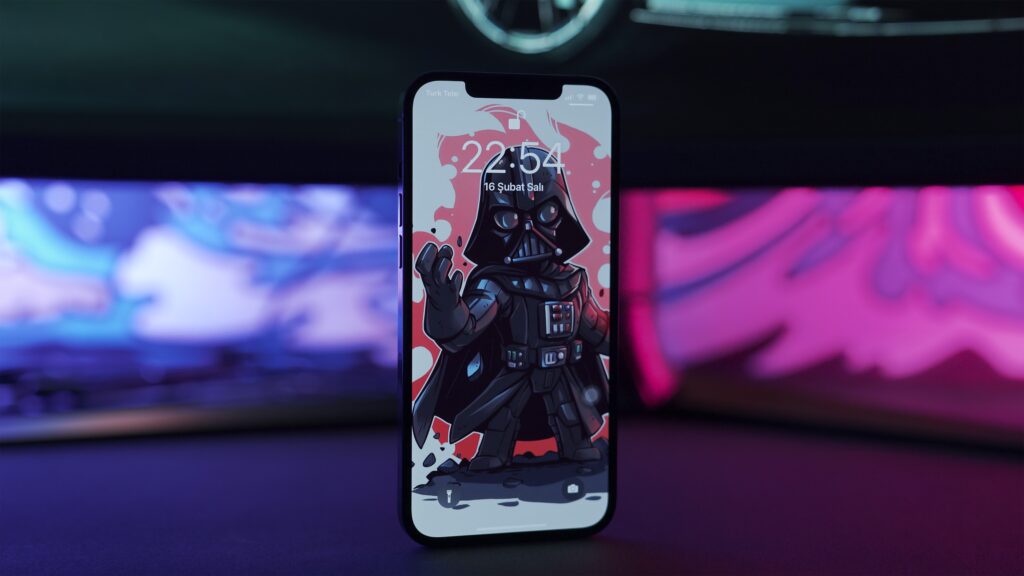
The mobile world is always changing, and businesses must keep up or risk being left behind. Revolutionizing the mobile experience is a priority for all companies, big or small. To make it happen, we need to understand user preferences, device types, and engagement strategies. In this article, we’ll explore ways to revolutionize the mobile experience by designing an effective user interface, using marketing and advertising techniques, developing engaging content, enhancing customer service with AI-based tech, driving innovation in the app industry, and more. With creativity and the right tools, we can revolutionize any mobile experience. Ready to dive in? Let’s go!
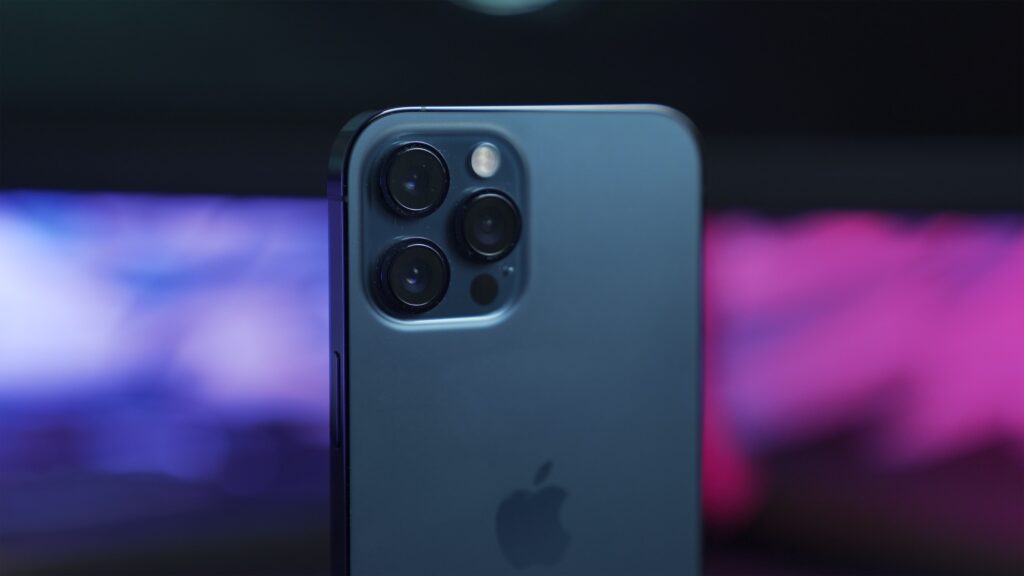
What is the Mobile Experience?
The mobile experience is the overall user experience when using a mobile device such as a smartphone or tablet. It includes the device itself, its operating system, the applications that are installed on it, and any other features that can be accessed through it. The mobile experience also encompasses how users interact with their devices and the content they consume. It is important for businesses to understand how users interact with their devices so they can create better experiences and make them more engaging.
In addition, understanding the mobile experience is key for businesses as it helps them design better products, optimize marketing campaigns, and increase customer engagement. By understanding the mobile experience, businesses can create an environment where users feel comfortable navigating their devices and exploring new content.
Why Revolutionizing the Mobile Experience Matters
Revolutionizing the mobile experience is vitally important for businesses of all sizes, as it can directly affect user engagement, customer service, and overall user experience. Mobile devices have become increasingly popular in recent years, with more than half of global web traffic now coming from mobile phones. This means businesses must be able to provide an optimized mobile user experience or risk missing out on potential customers.
Additionally, understanding the user base and their needs is essential for creating personalized experiences and engaging content that meets their expectations. Machine learning and natural language processing can help businesses understand user behavior and create apps that are tailored to their needs. Furthermore, developing a comprehensive marketing strategy that includes mobile applications can help reach new audiences and increase customer loyalty. By revolutionizing the mobile experience, businesses can ensure they stay competitive in an ever-evolving market and create lasting relationships with their customers.
Understanding Mobile Devices
Understanding mobile devices is essential for businesses to provide a seamless user experience. Mobile devices are becoming increasingly popular, and their capabilities are growing rapidly. To create an effective mobile experience, businesses must understand the different types of mobile phones and how they interact with websites and applications. Additionally, knowing the limitations of each device, such as screen size, operating system, and processor speed, can help businesses optimize their content for the best user experience.
Furthermore, understanding the latest trends in mobile technology can help businesses stay ahead of the competition by creating features that are tailored to customer needs. By understanding mobile devices and their capabilities, businesses can revolutionize their customer’s experiences and remain competitive in an ever-changing market.
Types of Mobile Devices
The types of mobile devices used by consumers today are vast and varied. Smartphones, tablets, and wearables have become increasingly popular in recent years as they offer users a variety of functions and features. Smartphones are the most popular type of mobile device and come in many shapes, sizes, and operating systems. Apple’s iPhone is the most popular smartphone on the market due to its sleek design, user-friendly interface, and powerful processor. Tablets offer an expanded screen size for web browsing or gaming but are often much larger than smartphones making them less portable.
Finally, wearables such as the Apple Watch or Fitbit offer tracking features for health and fitness enthusiasts who want to monitor their activities throughout the day. By understanding the different types of mobile devices available today businesses can create tailored experiences that will maximize customer engagement.
How Different Generations Use Mobile Devices
Mobile devices have become ubiquitous in our lives, and different generations of users interact with them in distinct ways. While millennials might be the most likely to use their smartphones for social media, research shows that baby boomers are increasingly using mobile devices for shopping. Gen Xers, on the other hand, are more likely to use their phones for news and entertainment.
Furthermore, as mobile technology evolves, so too does the way that generations interact with it. For example, younger generations are more likely to take advantage of voice search enabled by natural language processing than older generations who may be more comfortable using traditional text-based search methods. Older generations may also prefer larger screens on phones and tablets for easier viewing than those favored by younger people.
By understanding how different generations use mobile devices, businesses can create tailored experiences that appeal to each age group’s individual needs and preferences. By providing a personalized experience based on generational habits and interests companies can ensure customer engagement and satisfaction across all demographics.
Differences Between Smartphones and Tablets
Smartphones and tablets are becoming increasingly popular devices for a variety of uses. While both have their advantages, there are some key differences between them that should be taken into consideration when making a purchase decision.
In addition, when it comes to portability, smartphones are the clear winner; they are small enough to fit in your pocket and can be used on the go with ease. Tablets, on the other hand, require a bit more bulk to carry around as they are generally larger than smartphones.
In terms of user experience, tablets offer an advantage over smartphones due to their larger screens and higher-resolution displays. This allows for easier navigation and more enjoyable media consumption experiences. However, if you’re looking for a device to make quick calls or access certain apps while on the move, then a smartphone might be the better choice.
Lastly, the choice between a smartphone or tablet largely depends on what you plan on using it for; if portability is important to you then go with a smartphone while if you’re looking for an immersive experience like watching movies or playing games then opt for a tablet. Ultimately, it’s up to you!
Understanding User Preferences and Needs
In the mobile application industry, understanding user preferences and needs is essential for providing users with an optimized experience. With a comprehensive understanding of user preferences, developers can create applications that are tailored to their specific needs, resulting in higher engagement and customer satisfaction.
By leveraging machine learning and natural language processing technologies, app developers can gain deeper insights into customer behavior, such as how they use their apps, what features they prefer, and how they interact with them. Additionally, personalization techniques enable app developers to create customized experiences for each user based on their past usage data. This can include personalized content recommendations or even automated customer service responses.
Finally, focusing on customer engagement is key to building a strong user base for mobile apps. Marketers should cultivate relationships with potential customers by delivering relevant blog posts or other engaging content related to the app’s niche. By staying up-to-date on the latest trends in mobile technology and understanding the needs of mobile users, marketers can stay ahead of the competition and create more effective marketing strategies for their mobile apps.

User Experiences and Engagement Strategies
User experiences and engagement strategies are essential to the success of any mobile app. To ensure that users have a positive experience using an app, developers must design user interfaces that are intuitive and easy to navigate. Additionally, marketers should focus on creating engaging content that can effectively draw users’ attention and keep them engaged with the app.
By leveraging personalization techniques, marketers can deliver personalized experiences for each user based on their past usage data, such as preferred features or automated customer service responses. Finally, by staying up-to-date on the latest trends in mobile technology and understanding the needs of mobile users, marketers can create more effective marketing strategies for their apps and build a strong user base. By optimizing user experiences and developing effective engagement strategies, mobile app developers can revolutionize the mobile experience for users.
Designing an Effective User Interface
Designing an effective user interface for a mobile application is essential for providing users with a positive experience. When designing a mobile app, developers should focus on creating an intuitive, easy-to-navigate environment that allows users to quickly access the features they need. Additionally, developers should consider the various user types that will be using their app and design an interface that meets their individual needs and preferences.
Also, this includes incorporating visual elements such as icons and menus that are easily comprehensible and provide clear instructions to guide users through the app. By taking the time to design an effective user interface, developers can ensure that their app stands out in the mobile marketplace and provides users with a seamless experience.
Creating a Personalized Experience with Machine Learning & Natural Language Processing
The use of machine learning and natural language processing can help to create a personalized experience for users of mobile applications. By utilizing these technologies, developers can analyze user data to gain insights into their interests, preferences, and behavior. This information can then be used to tailor the content presented to users, thereby providing a more engaging and relevant experience.
Moreover, natural language processing also allows mobile apps to understand user queries in order to quickly provide accurate results. With the help of machine learning, this technology can even anticipate what users might need before they ask, allowing it to present them with relevant content without them having to search for it. By combining these technologies, developers can create an immersive experience that keeps users engaged and improves customer satisfaction.
Utilizing Advertising & Marketing to Reach Potential Customers
Advertising and marketing are essential tools for any mobile application developer looking to reach their potential customers. By leveraging digital channels such as social media, email, search engine optimization (SEO), and paid advertising, developers can create targeted campaigns that promote their product or service and reach the right audience.
Furthermore, this can be done by creating content that resonates with the target demographic, crafting engaging ad copy, optimizing website pages for search engines, and running ads on other websites and platforms. By utilizing these strategies, developers can build a larger customer base and increase user engagement. Ultimately, successful advertising and marketing campaigns will result in more revenue for the company.
Developing Engaging Content for Blog Posts, Social Media, etc.
Creating engaging content is an essential part of any mobile application developer’s marketing strategy. Content can be used to reach potential customers and build a larger user base. Developing blog posts, articles, videos, and other forms of content that speak to the target demographic can help drive traffic to the app’s website or social media pages.
Additionally, creating content that is optimized for SEO will help the app rank higher in search engine results. Social media platforms are also extremely important for reaching potential customers; by crafting creative and informative posts that are tailored toward the target demographic, developers can maximize their engagement with users. By developing engaging content across multiple channels, mobile application developers can create a strong presence in their industry and build a loyal customer base.
Enhancing Customer Service Through AI-Based Chatbots & Other Technologies
AI-based chatbots and other technologies are revolutionizing the way companies provide customer service. Utilizing machine learning, natural language processing, and other advanced technologies, AI-based bots can offer customers a personalized experience that is far more efficient than traditional customer service methods. AI-based chatbots can respond to user queries quickly and accurately while providing helpful guidance and product recommendations.
Additionally, they can recognize customer data from previous interactions, allowing them to provide a more tailored experience each time. By implementing AI-based chatbots into their customer service strategy, companies can improve their customer engagement significantly. Furthermore, combining chatbot technologies with other mobile technology such as voice recognition can further enhance the user experience. By utilizing these cutting-edge tools, companies will be able to deliver an exceptional level of customer service that is sure to please even the most demanding users.
Driving Innovation in the Mobile App Industry
The mobile app industry is constantly evolving, and companies must strive to stay ahead of the competition by driving innovation. Companies can achieve this by creating mobile applications that are user-focused and engaging. This requires a thorough understanding of user behavior, preferences, and trends in order to create applications that meet their needs. Additionally, companies should keep an eye on new technologies such as augmented reality and artificial intelligence which can be used to significantly improve user experiences.
In addition, by integrating these technologies into their applications, companies can improve customer engagement and provide users with a more immersive experience. Moreover, companies should also focus on marketing efforts such as SEO and social media campaigns to ensure maximum visibility for their applications. By driving innovation in the mobile app industry, businesses will be able to maintain a competitive edge in the ever-changing marketplace.
New Technologies Changing the Game in Mobile App Development
The emergence of new technologies such as machine learning, natural language processing and augmented reality is revolutionizing the mobile app development industry. With these technologies, developers can create innovative solutions that help them engage more users and provide them with a personalized experience. However, developing these solutions requires a deep understanding of user behavior and trends, as well as an ability to keep up with the constantly changing mobile technology landscape.
Additionally, developers must also ensure that their applications are optimized for different types of devices and operating systems in order to reach their full potential customer base. Despite these challenges, developers who embrace the opportunities presented by new technologies can create advanced solutions that have the potential to significantly improve user engagement and revolutionize the mobile experience.
Measuring the Success of the Revolutionized Mobile Experience
The success of any revolutionized mobile experience can be measured by tracking key metrics such as user base, engagement, and satisfaction. It is important to note that each metric is unique in the way it can provide valuable insight into how users interact with a mobile application.
For example, the user base tracks the number of people who have installed and used the app. Engagement measures how frequently users are interacting with the app, while satisfaction looks at how many users are satisfied with their experience. Tracking these metrics over time can help developers understand which features are working well and where improvements need to be made in order to keep up with customer expectations. Additionally, using these metrics to adjust marketing strategies and improve customer service can help increase the user base and overall customer satisfaction.
Conclusion
The mobile industry is rapidly growing and evolving, and with it comes the need for developers to revolutionize the mobile experience in order to keep up with customer demand. By tracking key metrics such as user base, engagement, and satisfaction, developers can gain valuable insight into how users are interacting with their apps. Additionally, using these metrics to adjust marketing strategies and improve customer service can help increase the user base and overall customer satisfaction. Ultimately, by monitoring these metrics closely and making necessary changes to their applications accordingly, developers will be able to provide customers with a personalized experience that keeps them coming back for more.


More Stories
Things To Take Into Account While Selecting A Work Mobile Phone
How to Choose the Perfect Mobile Phone for Your Needs?
5G Technology: What It Means for Mobile Phones