


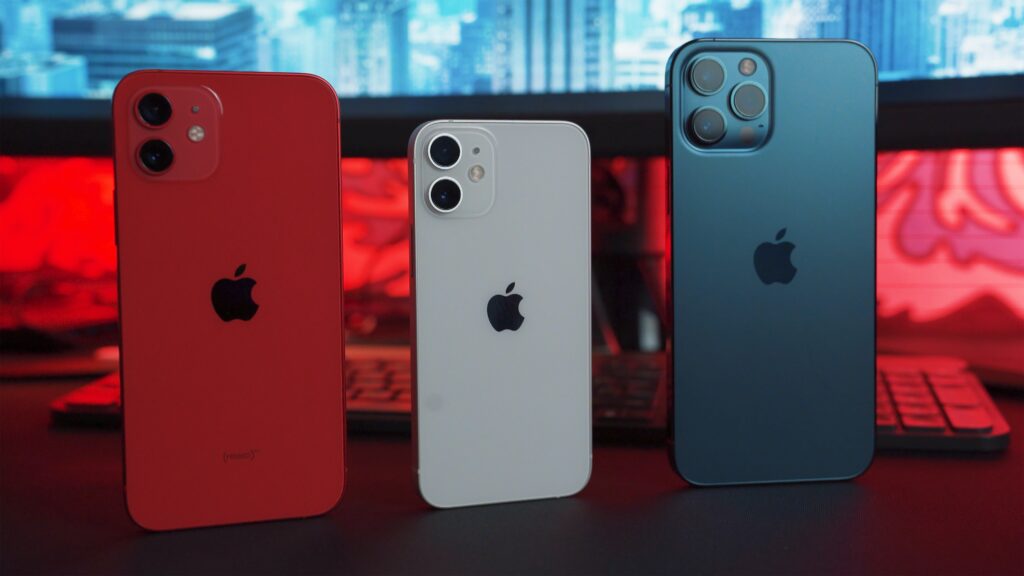
Mobile technology is taking over the world faster than ever before! From smartphones to wearables, tablets, and voice-activated assistants, we’re living in a tech-savvy age! With all these new innovations, our lives have been revolutionized in ways we never thought possible. From better user experiences to increased productivity for businesses and tighter security measures, the benefits of mobile tech are astounding! But that’s not to say we don’t still face some challenges. In this article, let’s explore some of the most exciting mobile technology innovations to date! Imagine folding your phone up into your pocket. Or charging your phone wirelessly? These are just a few of the incredible technologies available today – let’s dive in!

Benefits of Innovations in Mobile Technology
The innovations in mobile technology have transformed our lives, allowing us to stay connected and be productive wherever we go. Mobile phones, tablets, and wearables provide users with an unrivaled level of convenience. As these devices become increasingly sophisticated, they are capable of more powerful features such as augmented reality and artificial intelligence, which can be used to make everyday tasks easier. Additionally, mobile networks are becoming faster and more reliable thanks to the introduction of 5G technology.
Moreover, this means users can stay connected in more places with fewer dropped calls or slowdowns. Mobile applications have also made it possible for users to access their bank accounts, book doctors’ appointments, order food online and much more from their phones – making life simpler for countless people around the world. Finally, security measures like fingerprint scanners and facial recognition technology help ensure user data is safe from hackers and other malicious actors. All in all, the benefits of innovations in mobile technology are clear – providing users with a range of powerful tools that make life easier and more efficient than ever before.
Types of Mobile Technologies
Mobile technologies are constantly evolving, providing users with an ever-growing range of powerful tools to make their lives easier and more efficient. Today, there is a wide variety of mobile devices available, from traditional flip phones to the latest foldable phones that offer a larger screen size in a more compact form factor.
Additionally, wearable technologies like smartwatches and fitness trackers are becoming increasingly popular as people look for ways to stay connected and monitor their health in real-time. 5G technology is also revolutionizing the way we use our mobile devices, offering faster speeds and improved coverage in more places than ever before.
Finally, cloud-based solutions are making it easier for businesses to manage their operations across multiple locations without having to invest in expensive hardware or software infrastructure. Taken together, these different types of mobile technologies are transforming how we interact with the world around us – making life simpler and more convenient than ever before.
1. Smartphones and Tablets
Smartphones and tablets are two of the most popular types of mobile devices in use today. Smartphones are handheld devices that offer users a powerful combination of phone, internet, and computing capabilities. They typically run on either Android or iOS operating systems and come with a variety of features such as touchscreens, cameras, fingerprint scanners, and voice recognition technology. Tablets are similar to smartphones but are generally larger in size and less powerful in terms of processing power.
They often contain the same features as smartphones but lack the ability to make calls or access cellular networks. Both types of devices offer users an array of convenient ways to stay connected with one another, including apps for messaging, gaming, streaming media, shopping, banking, and more. With their ever-expanding range of features and capabilities, smartphones and tablets have revolutionized how people communicate and interact with the world around them.
2. Wearable Devices
Wearable devices are an exciting new technological trend that is transforming the way people interact with their environment. Wearables such as smartwatches, fitness trackers, and augmented reality glasses offer users a variety of convenient features and capabilities for tracking their health, managing their daily tasks, or simply staying connected with their loved ones.
With their sleek designs and intuitive interfaces, wearable devices provide users with the ability to stay connected on the go in ways that have never been possible before. From streaming music to tracking calories burned or steps taken, wearables offer an unprecedented level of convenience for users. As technology continues to evolve and become more integrated into our day-to-day lives, wearable devices will undoubtedly revolutionize how we interact with each other and our environment.
3. Voice-Activated Assistants
Voice-activated assistants are quickly becoming an integral part of our everyday lives. With these digital helpers, people can get tasks done with a simple voice command. Whether it’s answering a question or ordering groceries, voice-activated assistants make it easy to get things done without having to manually search for information or type out commands. This technology is particularly useful for those with disabilities that make using traditional devices difficult.
Voice-activated assistants also provide an easier way to interact with technology than ever before; instead of having to learn complex interfaces and menus, users can simply speak the desired command and receive their results in just a few moments. As voice-activated assistant technology continues to evolve, it will become even more integrated into our daily lives and provide us with greater convenience than ever before.
4. Cloud-Based Technologies
Cloud-based technologies are revolutionizing the way businesses operate. These technologies enable businesses to access and store data on remote servers, allowing them to gain valuable insights into their operations. By using cloud-based solutions, organizations can reduce costs associated with hardware and software installation while also increasing productivity by providing employees with any-time, anywhere access to essential data and applications.
Additionally, cloud-based services enable companies to rapidly scale up or down as needed, making it easier for them to adjust their operations in response to changing market conditions. As a result of these advantages, more and more companies are turning to cloud-based solutions for their business needs.
5. Augmented Reality/Virtual Reality (AR/VR)
Augmented Reality (AR) and Virtual Reality (VR) technology have become increasingly popular in recent years, offering users a unique way to experience their environment. AR provides a digital overlay onto the physical world, allowing users to interact with their environment in new ways. VR, on the other hand, immerses users into an entirely virtual environment, allowing them to interact with 3D objects and scenes as if they were real.
These technologies can be used in many different ways, from entertainment experiences such as video games and movie tie-ins to educational applications that teach students about topics like anatomy or geography. Businesses are also finding innovative uses for AR/VR technology, from training simulations to providing customers with a more immersive shopping experience. As these technologies continue to evolve, it’s likely that we’ll see even more exciting applications of AR/VR in the future.
Impact on User Experience and Businesses
The advances in mobile technology have had a major impact on user experience and businesses. Mobile devices have become essential tools for many users, allowing them to access the internet, purchase items online, and communicate with others. This has drastically changed the way people interact with their environment, allowing them to stay connected and engaged while on the go.
For businesses, mobile technology has enabled them to reach more customers and better understand user behaviors. From increased customer engagement through personalized content to greater opportunities for marketing campaigns and analytics, mobile technology has revolutionized how companies do business. By staying up-to-date with the latest trends in mobile technology, businesses can ensure that they are providing the best possible experience for their customers.
Enhanced Usability for Users
The advances in mobile technology have provided users with enhanced usability and convenience. Smartphones are now equipped with voice commands, fingerprint scanners, and facial recognition, making it easier to access applications quickly and securely. Additionally, new technologies such as foldable phones and wireless charging allow for greater portability of devices and make them easier to use on the go.
The emergence of mobile application stores has also made it much simpler for users to search for apps that meet their specific needs. Mobile applications are becoming increasingly popular among smartphone users as they provide an easy way to access information and services on the go. With all of these developments, mobile technology is improving user experience through increased convenience and usability.

Increased Productivity for Businesses
Businesses are increasingly recognizing the potential of mobile technology to improve their productivity. The use of mobile devices has allowed for greater collaboration among employees, enabling them to stay connected and share ideas in real time. Mobile apps also allow businesses to access data on the go and make faster decisions without having to be tied down to a desk.
Additionally, cloud-based technology enables businesses to store information securely on remote servers and make it accessible from anywhere with an internet connection. Finally, many businesses are now taking advantage of mobile marketing campaigns, which enable them to reach a larger audience while also gaining valuable insights into their customers’ preferences and behavior. With these developments, mobile technology is helping businesses increase their productivity by making it easier for them to access data, collaborate with colleagues and reach new customers.
Improved Security Measures for Data Protection
The use of mobile technology has led to an ever-increasing need for improved security measures to protect data. To ensure the safety of user information, many companies have implemented multifactor authentication and fingerprint scanners that require users to provide multiple layers of identification before accessing their data. Additionally, businesses are utilizing mobile encryption software, which helps secure data while it is stored on mobile devices or transferred over the Internet.
Furthermore, mobile networks have been updated with firewalls and other measures that prevent malicious actors from gaining access to a device’s data and applications. Finally, users can also take advantage of virtual private networks (VPNs) that encrypt their communications and help keep their data safe while they are online. With these security measures in place, businesses can rest assured that their data remains protected and secure even when accessed via a mobile device.
Personalized Content to Enhance User Engagement
Personalized content has become a powerful tool for mobile technology companies to engage their users and drive user retention. By leveraging data collected from user interactions, mobile app developers can create tailored experiences that are relevant to each individual. From customizing content feeds to highlighting specific products and services, personalized content helps create an immersive experience that caters to the needs of each user.
Furthermore, this approach enables companies to better understand their users’ preferences, which can help guide product development and marketing efforts in order to keep users engaged over time. Thus, utilizing personalized content is an effective way for companies to differentiate themselves in the competitive mobile technology market and enhance user satisfaction in the long run.
Popular Innovations in Mobile Technology
The mobile technology industry is constantly innovating, introducing new products and services that have changed the way we interact with our devices. Recent advancements in mobile technology have enabled users to do more than ever before, such as accessing high-speed internet, downloading real-time data, and making payments on their phones. Mobile phone companies have also released foldable phones, making it easier to store and transport them while still offering a large display.
In addition, newer models of smartphones now feature fingerprint scanners for added security, as well as wireless charging capabilities for convenience. The introduction of artificial intelligence has further revolutionized the user experience by providing more personalized content and tailored recommendations. With the rise of mobile applications, businesses are now able to reach their customers in a whole new way by creating custom apps that offer unique features and services. As such, innovations in mobile technology continue to shape the industry and provide users with an ever-evolving set of tools for personal use and business operations alike.
Foldable Phones
Foldable phones have recently become a popular innovation in the mobile technology industry. These devices offer users the convenience of both a tablet and a phone, as they can switch between the two with just a flip. This new type of device is especially beneficial for those who want to save space while still having access to all their applications and data.
Moreover, foldable phones come with larger screens than traditional smartphones, allowing for an improved multimedia experience when streaming content or playing games. In addition, some models also feature wireless charging capabilities and fingerprint scanners for added security. With these features, foldable phones provide users with the perfect combination of portability and functionality, revolutionizing the way we interact with our devices on a daily basis.
Wireless Charging Capabilities
Wireless charging capabilities are one of the most exciting mobile technology trends in recent years. This innovation provides users with the convenience and flexibility of charging their devices without having to plug them into a wall outlet or USB port. It is especially beneficial for those who lead an active lifestyle and are constantly on the go, as they no longer need to worry about carrying around bulky cords and adapters.
Furthermore, wireless charging capabilities have eliminated the need to search for compatible cables when sharing power across multiple devices. With this revolutionary technology, users can now quickly charge their phones, tablets, and other electronic gadgets with ease. All of these benefits make wireless charging capabilities a must-have feature for any modern mobile device, providing users with an effortless way to stay connected while on the move.
5G Network Connectivity & Services
5G Network Connectivity & Services are transforming the mobile industry with unprecedented speeds and reliability. With 5G, users can experience data-intensive activities like video streaming, gaming, and Augmented Reality (AR) applications with minimal latency and maximum performance. This lightning-fast technology is quickly becoming the gold standard in networking solutions as it provides a secure connection that allows users to access content at blazing speeds.
The benefits of 5G are not only limited to enhanced user experience but also enable businesses to become more agile and efficient by offering innovative services tailored to their needs. Mobile app development companies can take advantage of this cutting-edge technology to create highly interactive applications that offer unparalleled user engagement. With 5G Network Connectivity & Services, the possibilities for mobile innovation are limitless.
AI-Powered Features & Technologies
AI-powered features and technologies are revolutionizing the mobile industry and providing users with more intuitive experiences. AI is enabling devices to understand user behavior, anticipate needs, and provide personalized recommendations. It can also be used to optimize performance, identify security threats, and automate processes.
AI-based features like facial recognition, gesture control, voice assistants, and natural language processing are becoming increasingly popular among smartphone users as they make tasks easier to execute. Mobile app development companies can utilize this powerful technology to create applications that offer enhanced user experiences with personalized content and improved security. With AI-powered features and technologies on the rise, users around the world can benefit from an ever-growing range of benefits when using their mobile devices.
Challenges Faced by the Mobile Industry Today
The mobile industry is facing a number of challenges as it continues to evolve and innovate. One of the biggest issues is security, with many users concerned about their personal data being at risk due to malicious actors. Mobile networks are also becoming increasingly complex and difficult to manage, requiring sophisticated solutions for monitoring and controlling traffic.
Additionally, the emergence of new mobile technologies like 5G can create compatibility issues between different devices and platforms. Finally, user expectations are constantly changing, making it difficult for developers and manufacturers to keep up with demand. The key to overcoming these challenges is collaboration between stakeholders in the industry, including device makers, app developers, carriers, and other entities involved in the mobile ecosystem. By working together to develop effective solutions that meet user needs while ensuring security and reliability, the mobile industry can continue to thrive in an ever-changing landscape.
Lack
User engagement with mobile applications has become an increasingly important metric for businesses looking to maximize their mobile presence. Unfortunately, many companies are finding that user engagement is lacking, due to a variety of factors. For example, users may be overwhelmed by the sheer number of apps available and unable to find the one they need, or they may lack the motivation to use an app once they do find it.
Additionally, some apps can be difficult to use or require more time than users are willing or able to devote. Finally, a lack of innovation in design and functionality can lead users to become bored quickly and look elsewhere for more stimulating experiences. To combat this issue, companies must focus on creating user-friendly interfaces and introducing innovative features that keep users engaged. By doing so, businesses can ensure that their mobile presence remains strong in an increasingly competitive market.
Conclusion
In conclusion, mobile technology has come a long way in the past decade and is constantly evolving. Companies must keep up with these changes to remain competitive and maximize user engagement. To do this, they must focus on creating user-friendly interfaces and introducing innovative features that make their apps stand out from the competition. By doing so, companies can ensure that their mobile presence remains strong and appealing to users who are increasingly looking for more stimulating experiences. Mobile technology is here to stay, and businesses must be prepared to keep up with its ever-changing landscape if they want to make the most of it.


More Stories
Things To Take Into Account While Selecting A Work Mobile Phone
How to Choose the Perfect Mobile Phone for Your Needs?
5G Technology: What It Means for Mobile Phones